The Maldives Little Black Book
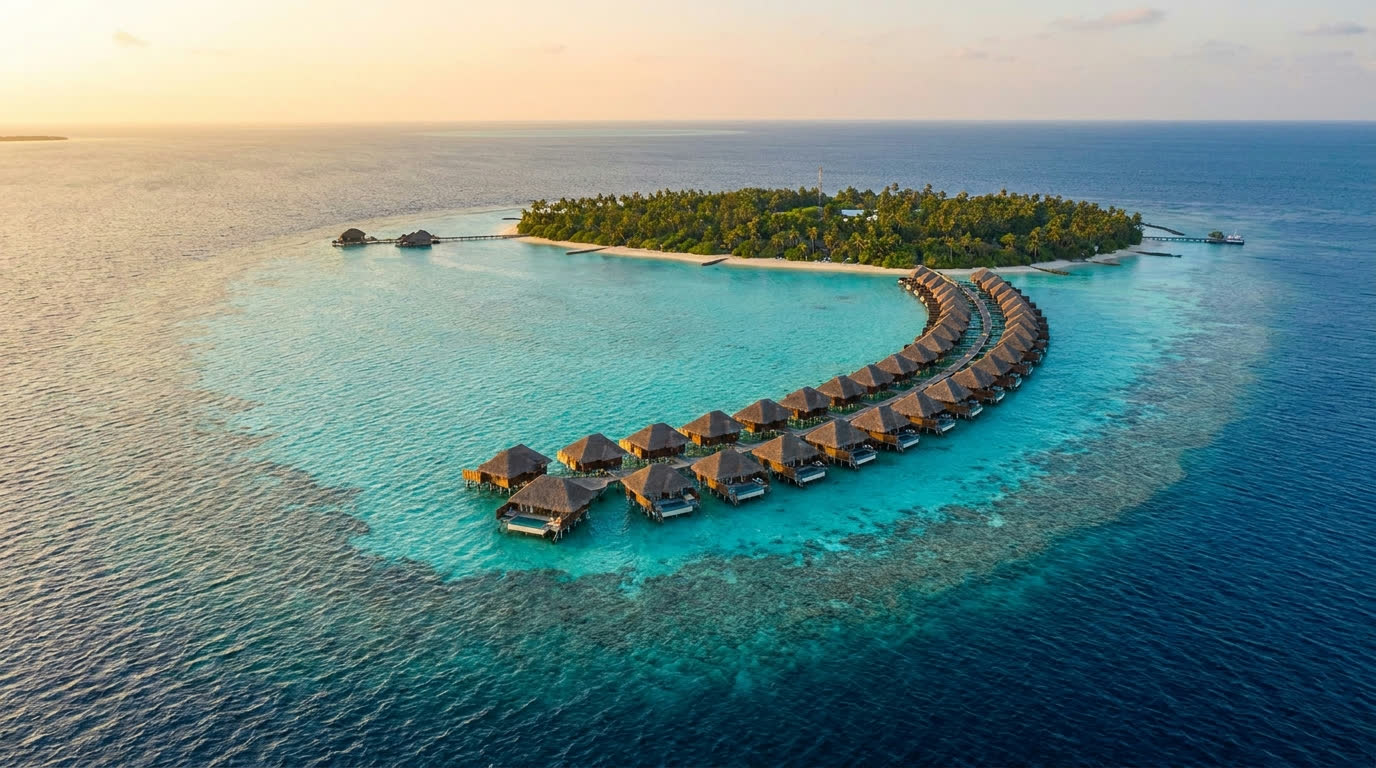
No destination we book is easier to get right on paper and easier to get wrong in practice. The Maldives is 1,192 islands and nearly two hundred resorts scattered across 26 atolls, and from the brochures they all look identical: turquoise, villas, jetty. They are not. Lagoon depth, house-reef quality, seaplane windows, dining breadth and the crowd an island cultivates vary enormously — and at these rates, a mismatch stings.
Four hours from Dubai, nonstop, which is why the Maldives functions almost as our clients' house pool. Below is how we actually choose islands, and the experiences worth flying for.
What is the Maldives really like? What are the big adventures? How should you spend your days? Which island should you choose? Which signature experiences deserve it? What should you eat? Where is the ultra-private layer?
What is the Maldives really like?
The Maldives is a nation of coral atolls strung across 870 kilometres of Indian Ocean, where the highest natural point is under three metres and the real estate that matters is underwater. One island, one resort is the operating model — your island is your world for the week, which is precisely the appeal and precisely why choosing it is the whole game.
It suits honeymooners by reputation and families by well-kept secret; divers, surfers and the simply exhausted complete the roster. The rhythm is the luxury: no doors locked, no shoes required (several islands confiscate them ceremonially at the jetty), no decisions harder than reef or pool. Travellers who need streets, culture and motion should plan five nights, not ten — or split the stay across two contrasting islands, which we do often.
Seasonality is simpler than the charts suggest. December to April: dry, glassy, peak rates. May to November: brief squalls, greener light, softer pricing — and the plankton blooms that summon mantas. The water sits at 28–30°C every single day of the year, a fact that still feels illegal.
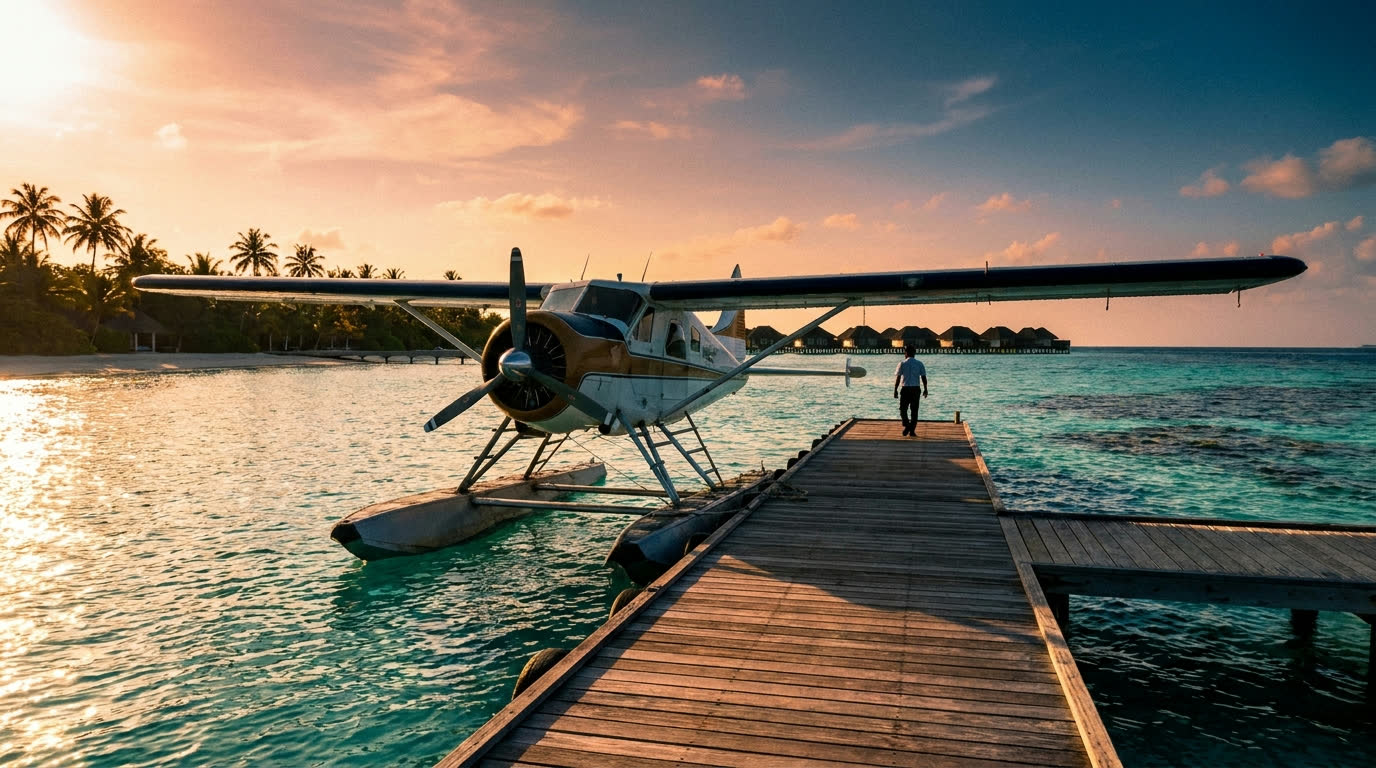
The detail that shapes trips more than any other: seaplanes fly daylight hours only. Land in Malé after mid-afternoon and a distant island means an airport-hotel night. We build itineraries around the transfer windows first and the villa category second — the reverse order costs people half a day of paradise at each end.
Island choice is nine-tenths of a Maldives trip. Tell us your dates and temperament; we'll shortlist honestly — free.
Plan my Maldives journeyWhat are the big adventures in the Maldives?
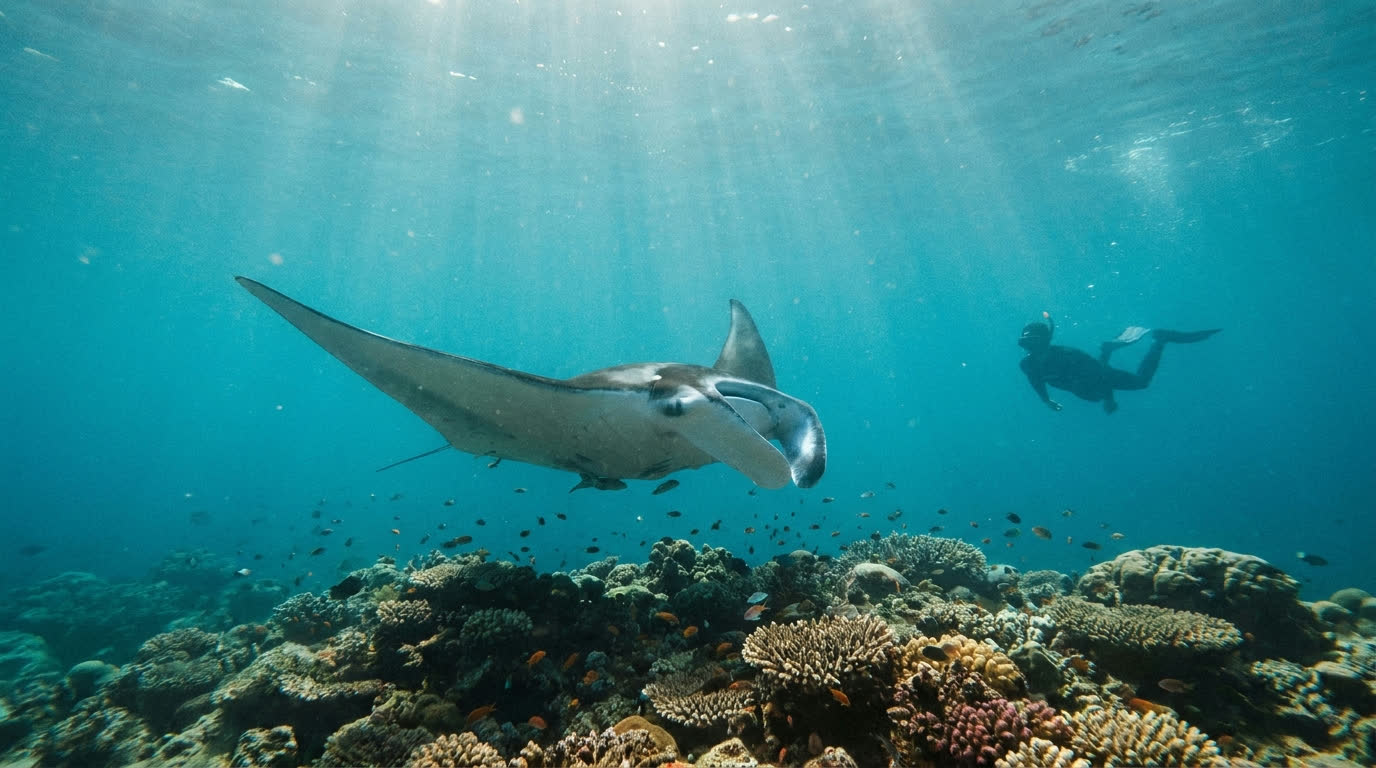
The adventure here is megafauna. The Maldives hosts year-round populations of manta rays and whale sharks — the only country where both are effectively guaranteed in season — plus reef systems that survived the odds and surf breaks the crowd hasn't found.
Manta season at Hanifaru Bay
From roughly August to October, plankton concentrates in Hanifaru Bay Map in the UNESCO-protected Baa Atoll, and manta rays gather to feed — dozens, sometimes over a hundred, barrel-rolling through the soup. Snorkelling only (diving is banned in the bay), ranger-controlled numbers, and among the great wildlife spectacles on earth. Base at a Baa Atoll island in season and go the morning the rangers call it.
Whale sharks in South Ari
The South Ari Atoll Marine Protected Area Map keeps a year-round population of juvenile whale sharks cruising its outer reef. Go by private dhoni with a spotter rather than the group boats: fewer fins in the water when a six-metre shark appears, and the difference matters to both parties.
Diving and the night reef
Channel dives with grey reef sharks and eagle rays, thila pinnacles wrapped in soft coral, and — book it wherever offered — night snorkelling or diving with nurse sharks and hunting trevally. Resort house reefs vary from ornamental to genuinely world-class; if diving matters, we weight the island shortlist accordingly (Six Senses Laamu's reef, for one, outclasses islands at twice the rate).
Surf, sails and liveaboards
North Malé's breaks — Pasta Point among them Map — run clean right-handers March to October with lineup caps that keep them civilised. For the restless, a crewed liveaboard or the resort-standard yachts (the Four Seasons Explorer catamaran roams the atolls as a floating resort) turn the country into a route instead of a dot.
How should you spend your days in the Maldives?
Resist the itinerary reflex. The Maldives punishes over-scheduling — the point of paying these rates is owning your own time. Our template books one anchor per day at most and leaves the rest to the reef.
The anchors worth their slots: a sunrise or sunset dolphin cruise in the first two days (spinner pods run the channels daily); the whale-shark or manta excursion mid-stay; a sandbank picnic; one full spa afternoon; one destination dinner. Everything else — house-reef snorkels, pool hours, the hammock — schedules itself.
Families should choose big-lagoon islands where the shallows run warm and waist-deep for a hundred metres: children live in the water and the kids' clubs (Reethi Rah's and Soneva's are genuinely excellent) handle the hours parents want back. Couples should protect at least two entirely unplanned days and take the floating breakfast exactly once — it photographs better than it eats, and we say so.
A logistical honesty most guides skip: everything is signed to the villa and totalled at checkout, and the number surprises people. Half-board or dine-around packages, booked in advance through us, routinely save 25–30 percent against à-la-carte resort pricing at the same restaurants. At these islands that is real money.
Which island should you choose?
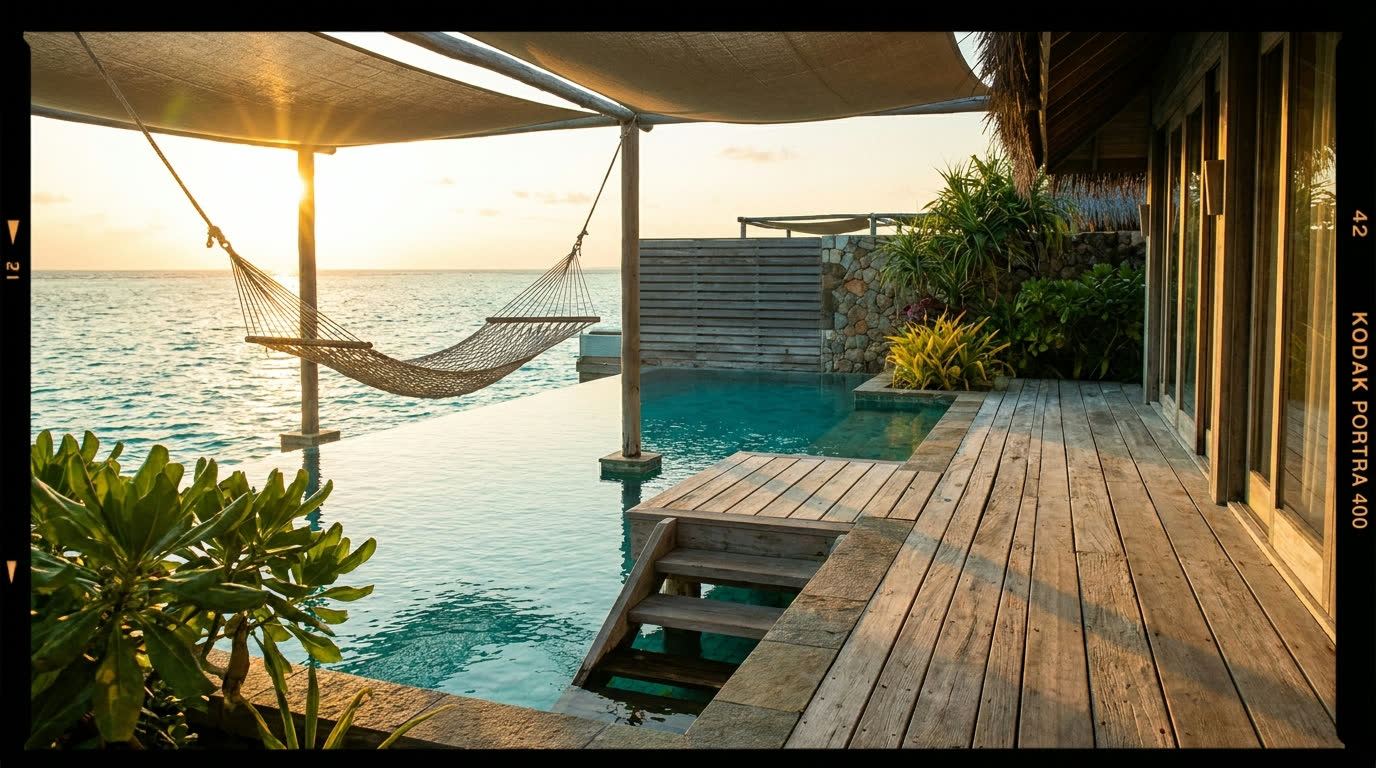
The honest taxonomy: polish, privacy or play. Cheval Blanc is polish — LVMH service discipline on island time. Velaa is privacy — the billionaire-built island that treats discretion as architecture. Soneva Jani is play — waterslides from villa decks, retractable roofs, barefoot theatre. The rest of the shortlist covers scale and value.
| Island | Tier | From (indicative) | Best for |
|---|---|---|---|
| Cheval Blanc Randheli | Ultra | US$3,500/night | LVMH polish, Gathy design, 46 villas |
| Velaa Private Island | Ultra | US$4,000/night | Maximum privacy, snow room spa, buyouts |
| Soneva Jani | Ultra | US$3,000/night | Retractable roofs, slides, barefoot spectacle |
| Waldorf Astoria Ithaafushi | Ultra | US$2,200/night | Dining breadth, 30 min by yacht from Malé |
| One&Only Reethi Rah | Luxury | US$2,000/night | Twelve beaches, scene, families and stars |
| Six Senses Laamu | Refined | US$1,200/night | Best-in-class house reef, surf, sustainability |
The Noonu trio
Cheval Blanc Randheli Map runs 46 Jean-Michel Gathy villas with cathedral ceilings and 12.5-metre pools; the service is the tightest in the country and the private spa island sets the genre's benchmark. Twenty minutes away by speedboat, Velaa Private Island Map — built by a Czech financier as, literally, a private island with guests — counters with a snow room in the spa, a golf academy, and sightlines engineered so you may never see another guest. Soneva Jani Map completes the atoll's royal flush: vast overwater residences with retractable roofs for stargazing from bed, waterslides into the lagoon, an open-air cinema over the water and the country's most charming sustainability programme.
The big-island alternatives
Waldorf Astoria Ithaafushi Map solves two problems at once: a 30-minute yacht transfer (no seaplane window anxiety) and dining breadth — eleven venues including a treetop restaurant — that ten-night stays need. One&Only Reethi Rah Map remains the scene island done properly: twelve beaches on a vast man-made lagoon, a client list that fills gossip columns, and the best kids' club in the country. Six Senses Laamu Map, alone in its southern atoll, gives divers and surfers the country's most alive house reef and an unforced sustainability culture — the thinking traveller's Maldives.
We book these islands year-round and hold relationships at most of them — upgrades, dine-around savings, the villa worth its category. Ask.
Plan my Maldives journeyWhich signature experiences actually deserve the booking?
Every resort sells a menu of "once in a lifetime" experiences; a few genuinely are. Ranked by our clients' verdicts over the years:
The sandbank dinner
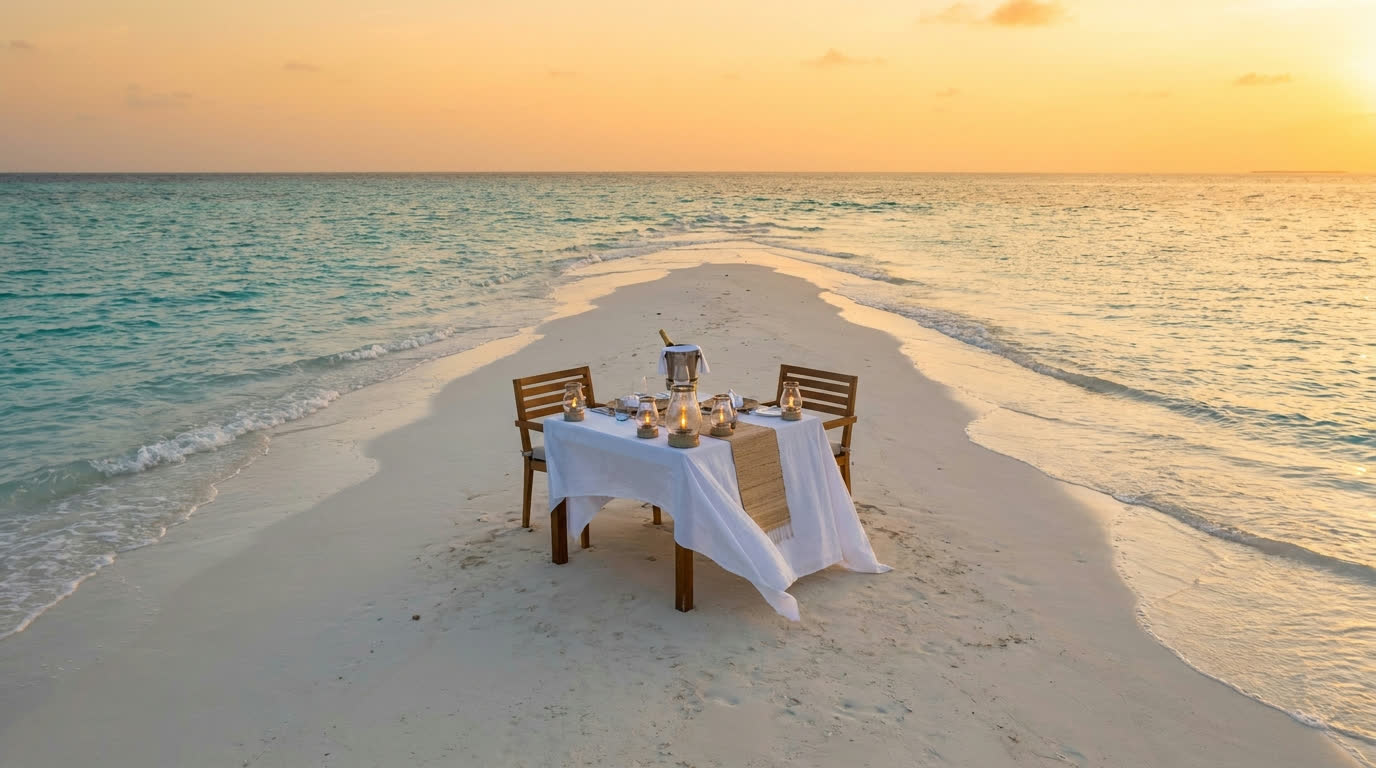
A private strip of white sand in open ocean, one table, your own chef and butler delivered and withdrawn by boat, lanterns against the dark. It is the Maldives' signature for a reason — the theatre is real and the silence after the boat leaves is the trip's keeper memory. Book it for a calm-forecast night and pay the photographer to leave after the first course.
Underwater dining
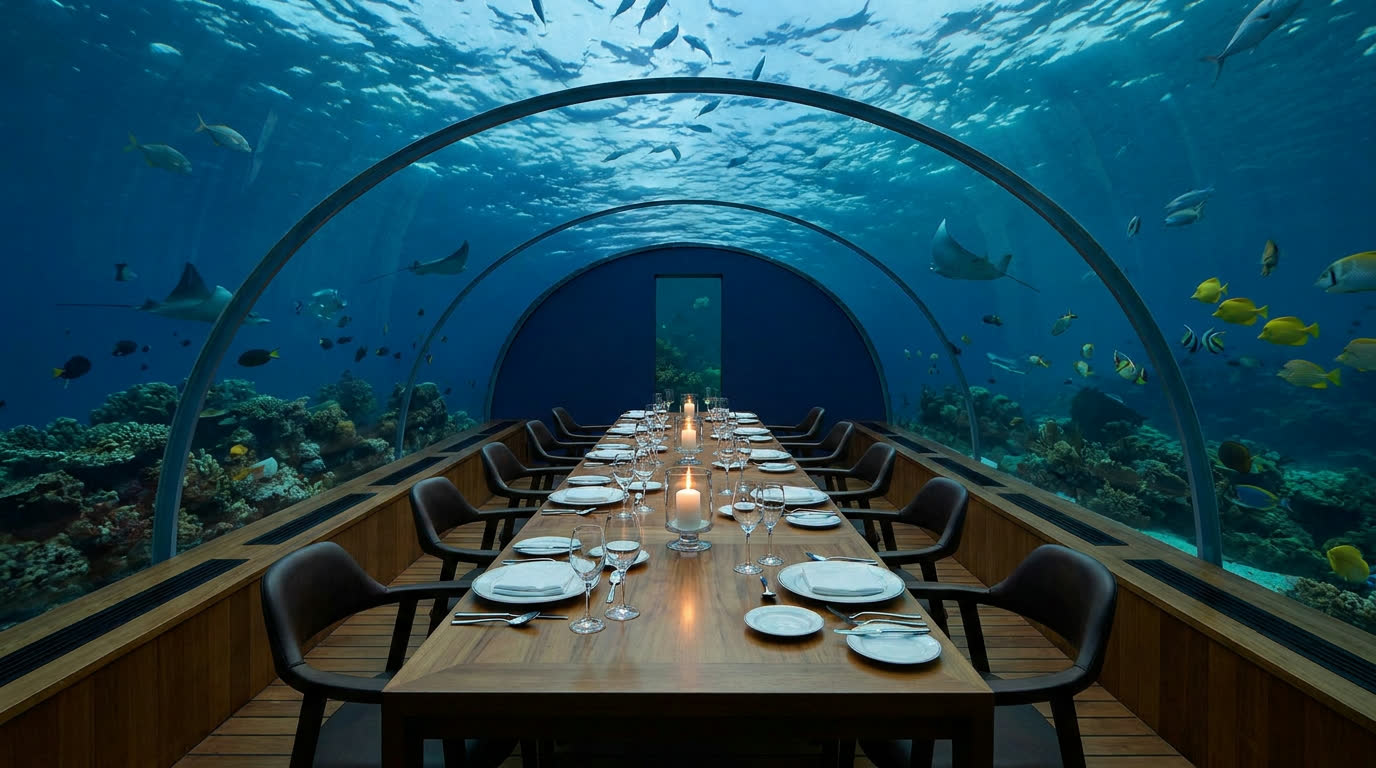
Ithaa at Conrad Maldives Rangali Island Map opened in 2005 as the world's first all-glass undersea restaurant and still runs lunches and dinners five metres down; newer rooms like Subsix at Niyama (with its underwater club nights) and Hurawalhi's 5.8 have joined the genre. The honest note: the food chases the setting. Go for lunch — the fish traffic is better in daylight — and count it as theatre.
The seaplane itself
Twenty-five minutes over ringed atolls in a floatplane is the best scenic flight in luxury travel and it comes bundled with your transfer. Sit left side leaving Malé, right side returning, and keep the phone at the window.
Night water
The lagoon after dark is the underrated masterpiece: bioluminescent plankton on moonless nights (the famous "sea of stars" is real, patchy and unforecastable), night snorkels with hunting nurse sharks, and stargazing from an overwater net with the Milky Way unpolluted horizon to horizon. Ask the resort marine biologist — every good island has one — to call the conditions.
What should you eat in the Maldives?
Resort dining has grown up dramatically: the top islands now fly in chefs from starred kitchens for residencies, cure and smoke their own fish, and grow salads in on-island gardens. The pattern across the best islands — Randheli's French-Asian rooms, Ithaafushi's eleven venues, Soneva's open-kitchen theatres — is destination dining without leaving your island.
What to actually order
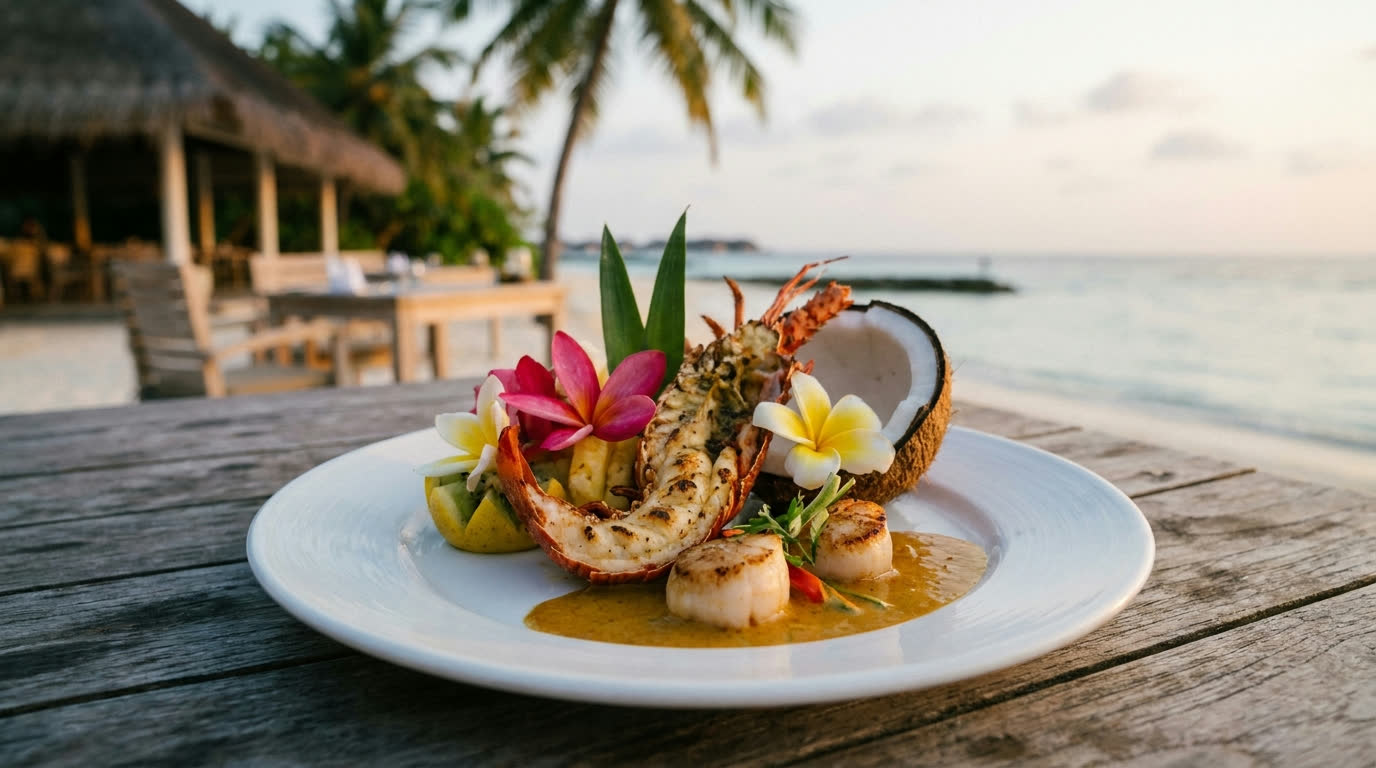
The Indian Ocean is the menu: yellowfin tuna landed hours earlier (the Maldives pole-and-line fishery is among the world's cleanest — the sashimi here embarrasses most cities'), reef fish grilled over coconut husk, and lobster that never saw a freezer. Skip the flown-in wagyu theatre at least once for the Maldivian night: garudhiya (tuna broth with lime and chilli), mas huni — smoked tuna with coconut and onion, eaten with roshi flatbread at breakfast — and the curries the staff actually eat. Ask for the crew's sambal; every kitchen keeps one and it improves everything.
The cellar surprise
Several islands keep serious cellars — multi-thousand-bin collections with dedicated sommeliers, plus champagne-and-caviar programmes and, at the top tier, wine-paired chef's tables that rival city flagships. Duty structures make top Burgundy no bargain, but the by-the-glass programmes at the LVMH and Soneva islands are broader than most European five-stars'. Cigar humidors survive here too — most ultra-tier islands keep one, smoked at the beach bar with the horizon for a wall.
Where is the Maldives' ultra-private layer?
Above the villa tier sits the layer the Maldives does better than anywhere on earth: entire islands as single bookings, overwater residences with their own staff, and yachts that carry the resort with them.
Full-island buyouts
Waldorf Astoria's The Private Island Map sells only as a whole — your own island beside Ithaafushi with staff, chef, spa and watersports for your party alone. Velaa takes full-island buyouts by arrangement, as do several boutique islands; pricing starts in the tens of thousands per night and, split across three families, becomes strangely rational. For weddings, milestone birthdays and the simply allergic-to-strangers, nothing else in travel compares.
Residences and long stays
The top islands now keep three-to-five-bedroom private residences — Soneva Jani's multi-storey water reserves with slides and cinemas, Randheli's four-bedroom Owner's Villa tier — that function as staffed family compounds. Month-long stays are a growing brief: fibre and Starlink links have made the overwater office real, and several islands quietly discount long stays into almost-reasonable territory in green season.
By yacht
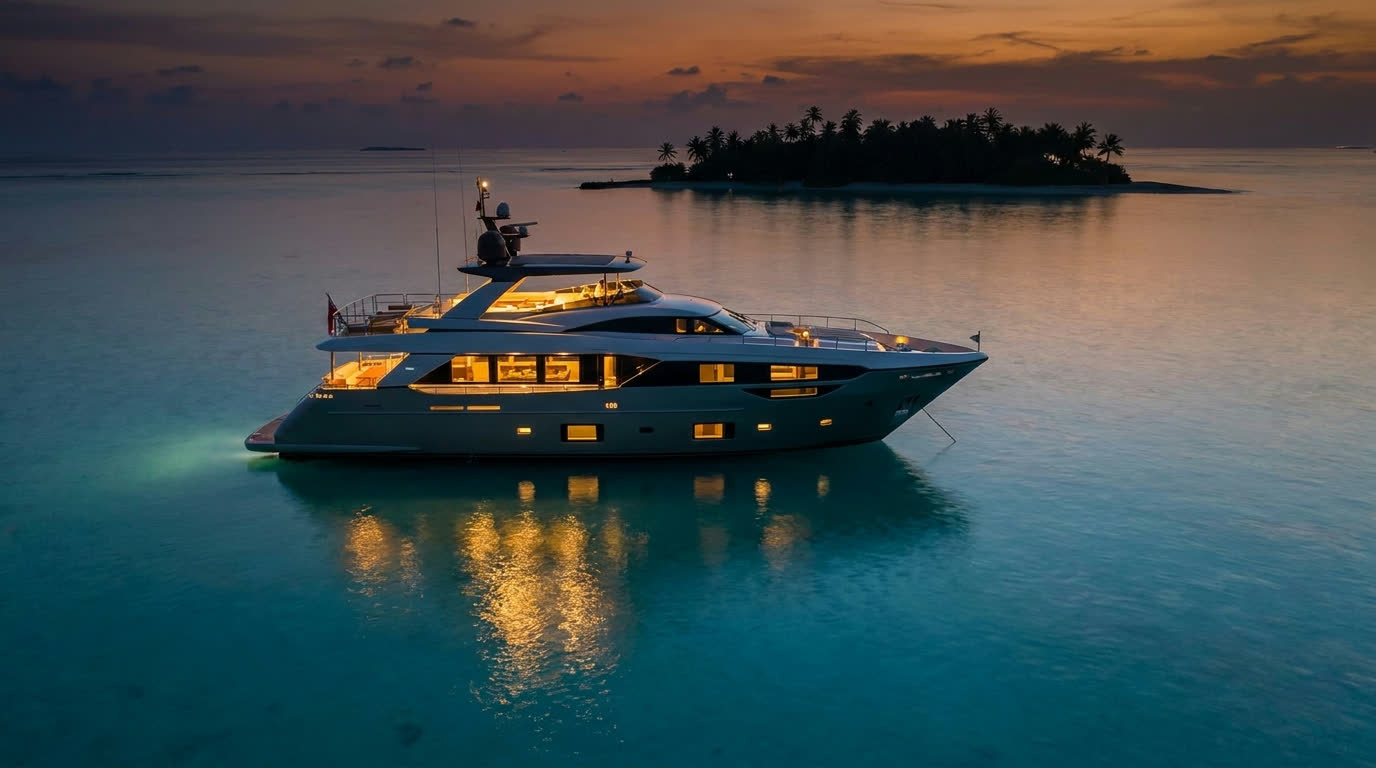
Crewed charters out of Malé — from 30-metre motoryachts to the resort-run vessels — turn the atolls into an itinerary: surf breaks one day, a Hanifaru window the next, dinner anchored off a sandbank nobody owns. Starlink on board keeps the connected connected. It is also the honest answer for seeing multiple atolls without transfer fatigue.
The quiet arts
Overwater spas with glass floors beneath the massage table; resident astronomers and marine biologists; surf guides with private boats; free-diving instructors for the newly obsessed. The islands' concierge menus have quietly become the deepest in world resort travel — the skill is knowing which island's version is genuine. That, specifically, is what we are for.
Practical close. Thirty-day visa on arrival for every nationality; US dollars work everywhere. Alcohol flows freely on resort islands (never bring your own through Malé — it is confiscated). Sunscreen: reef-safe only, and a rash vest beats reapplication. Green-season rates drop 30–40 percent for weather that is mostly identical. The Maldives pairs naturally with Dubai as the four-hour city leg, or with Kerala and Sri Lanka for a longer Indian Ocean arc — ask us for the sequencing.
Every island above can be arranged, reserved and transferred for you — free, by your dedicated Dubai-based specialist.
Plan my Maldives journeyWant this as a fixed itinerary with pricing? See our Maldives packages from Dubai.