Cairo for the Ultra-Discerning: The Insider Wiki
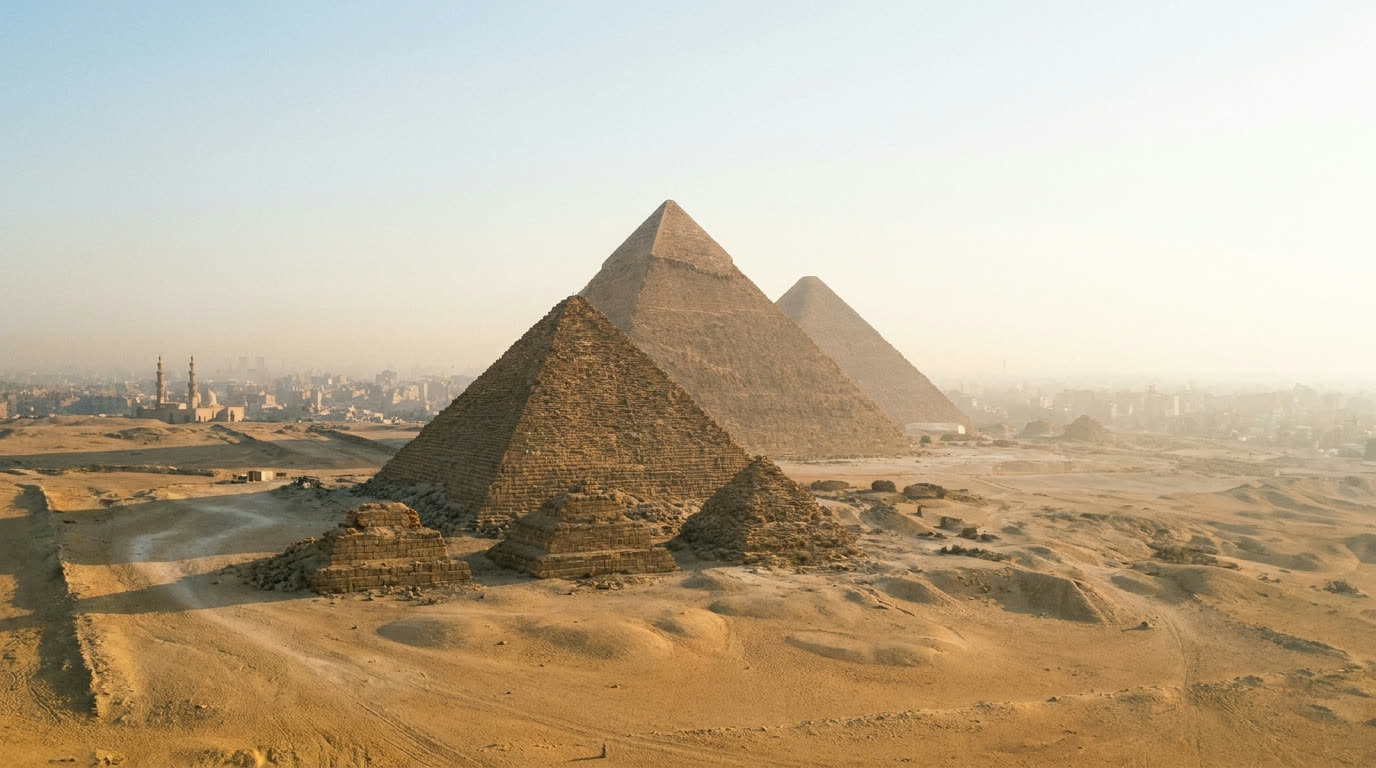
Cairo is the only city on earth where a wonder of the ancient world sits at the end of a metro line. It is loud, layered, magnificent and maddening, and it rewards exactly one approach: private everything. The traveller who books the right guide, the right table and the right hour sees a different city from the one in the reviews.
We have been sending clients from Dubai for years — it is under four hours door to door — and this is the current state of our little black book: which hotel floor, which entrance, which table faces the Great Pyramid. Our Cairo desk handles the arrangements; pair this with our Abu Dhabi and Amalfi Coast files if you are planning the year.
What is Cairo really like? What are the big adventures? What should you do day to day? Where should you stay? Which iconic spots deserve your time? What should you eat in Cairo? Where is the luxury insider layer?
What is Cairo really like?
Cairo is intensity as a place. Twenty-plus million people, a river that made a civilisation, and five thousand years of layers stacked without much editing: pharaonic, Roman, Coptic, Fatimid, Mamluk, Ottoman, belle-époque, brutalist. Nobody tidied it. That is the point.
The texture is what stays with people. Car horns used as language. The smell of dust and jasmine and grilling meat. A muezzin starting in one district and forty others answering. Then you turn a corner in Islamic Cairo and a 600-year-old madrasa stands there, unbothered, better built than anything erected since.
Who is it for? Travellers who want substance — this is the deepest historical destination on the planet, full stop — and who accept that comfort here is engineered, not ambient. You retreat to a Nile-view suite or a Giza garden, and you sortie out with a guide and driver. Families do well: Egyptology is the original children's obsession. Couples do well too, provided the hotel is chosen for calm.
One logistical truth we insist clients understand: traffic is the invisible itinerary item. Giza to Downtown can be 25 minutes or 90. We build days geographically — one bank of the river, one era at a time — and start at 7am for the plateau. The city belongs to early risers; by 10am the coaches own it.
Every address above can be arranged, reserved and chauffeured for you — free, by your dedicated Dubai-based specialist.
Plan my Cairo journeyWhat are the big adventures?
The big three are private hours on the Giza Plateau, the pyramid fields south of the city, and the Nile itself. Each can be done as a standard tour; none should be.
Giza, properly
The Pyramids of Giza Map open early, and the first ninety minutes are the entire game. A private Egyptologist, vehicle access inside the site, and entry to the Great Pyramid's Grand Gallery before the queues form — that is the correct order of operations. Horses and camels at sunset on the dune ridge south of the plateau give the classic nine-pyramid panorama. For the once-in-a-lifetime tier, private evening events on the plateau — dinners set against the Sphinx sound-and-light backdrop — can be arranged through licensed operators; this is the single most requested booking on our Egypt desk.
Saqqara, Dahshur and Memphis
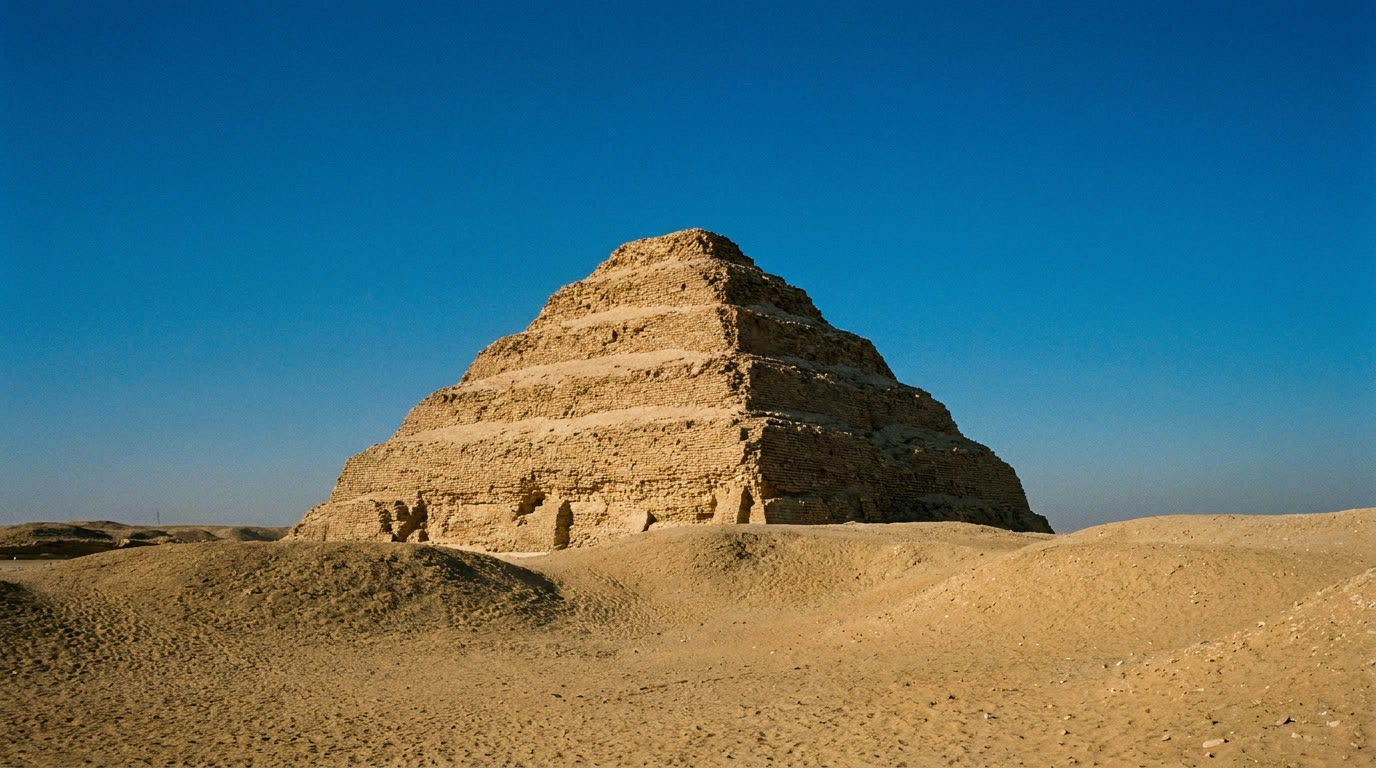
Forty minutes south, Saqqara Map holds the Step Pyramid of Djoser — the first monumental stone building on earth — plus painted tombs you often have entirely to yourself. Dahshur's Bent and Red Pyramids Map complete the story of how pyramid-building was learned, and you can climb inside the Red Pyramid without a single tour group in sight. Most visitors skip all of this. Their loss is your empty necropolis.
The Nile
In the city, charter a private felucca or a restored wooden dahabiya from the Zamalek or Garden City moorings for the golden hour — an hour on the water resets Cairo completely. The grander move is to connect Cairo with a multi-night dahabiya sail between Luxor and Aswan; we treat that as its own journey and plan it separately.
What should you do day to day?
Structure beats spontaneity here. Four days, each built around one geographic cluster, with afternoons kept loose for the pool or the souk. Every day starts early and ends somewhere with a Nile view and a cold drink.
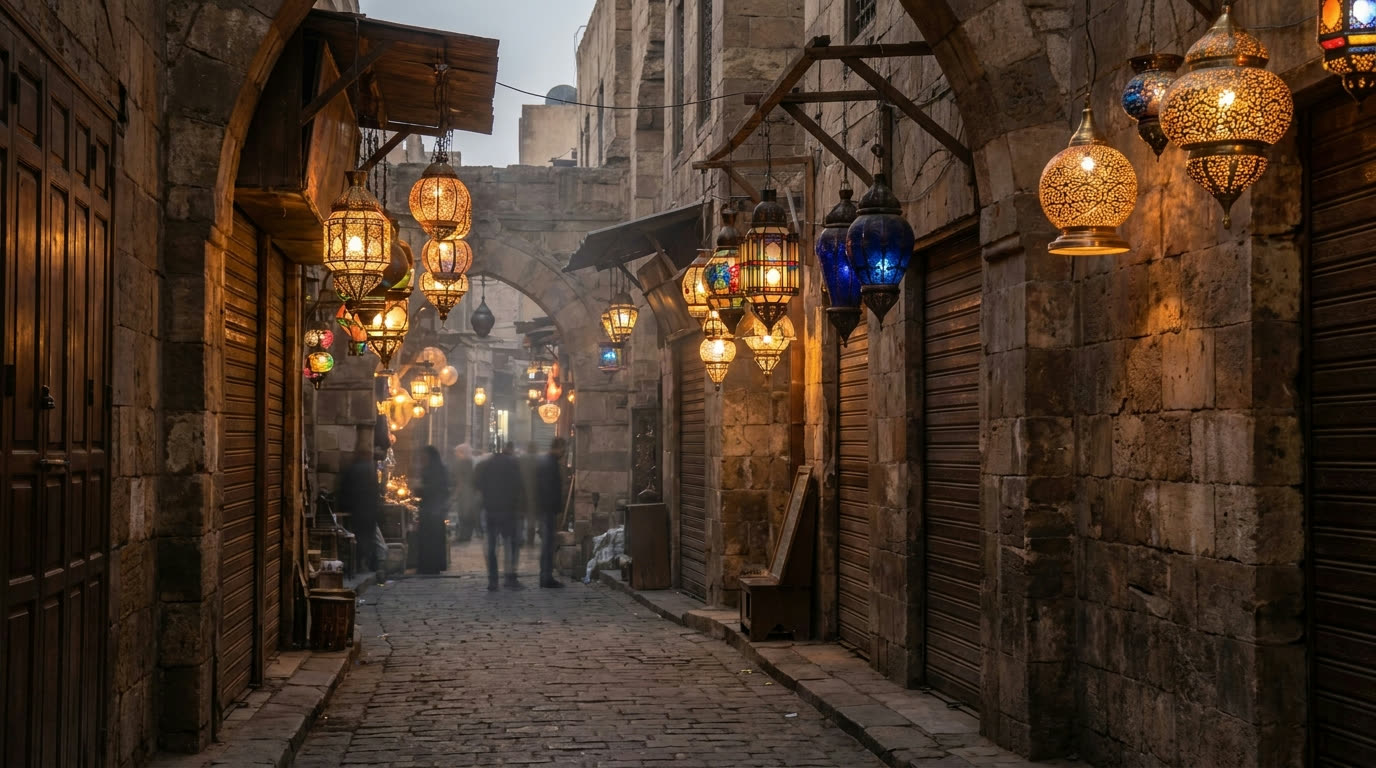
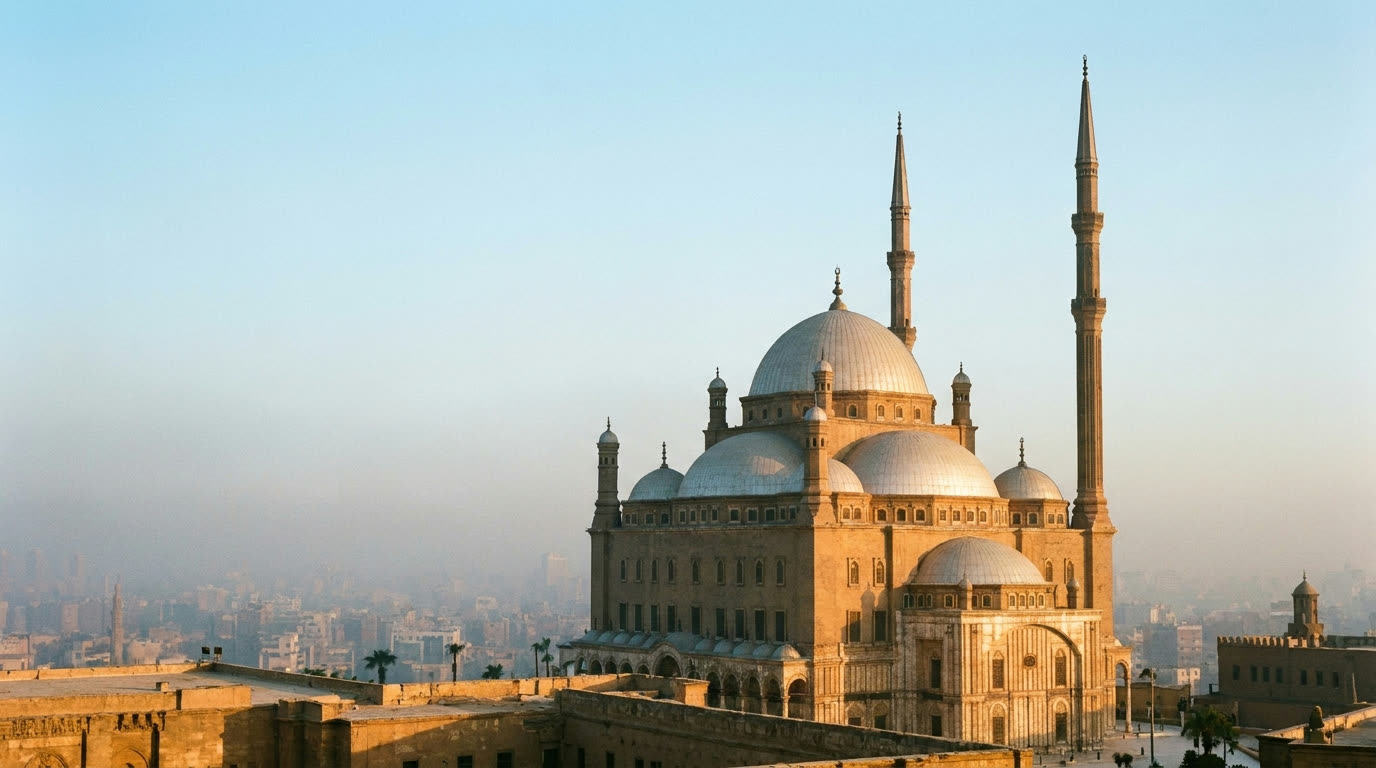
Day one is Giza and the Grand Egyptian Museum — plateau at 7am, museum after lunch. Day two is Islamic Cairo: the Citadel and the Mosque of Muhammad Ali Map, then Al-Muizz Street's Mamluk masterpieces, ending in Khan el-Khalili as the lanterns come on. Day three is Saqqara and Dahshur with a long Giza lunch. Day four is Coptic Cairo's hanging church and early basilicas, then Zamalek's galleries and boutiques.
For families: the GEM's children's museum, a camel ride at the dune viewpoint (short; nobody needs an hour), and Khan el-Khalili treasure-hunting with a guide who knows which workshops let children hammer brass. For couples: the felucca hour, a hammam booking at the hotel spa, and dinner at Khufu's timed for sunset. Shopping is genuinely good: hand-blown Muski glass, inlaid boxes, cartouche jewellery made to order in a day, and cotton — Egyptian cotton bedding bought at source costs a fraction of its export price.
Where should you stay in Cairo?
Choose between the Nile and the pyramids; the city's serious hotels split cleanly between the two. Four Seasons Nile Plaza is the all-round answer, Mena House is the romantic one, and the right choice usually means two nights at each.
| Hotel | Tier | Setting | Best for |
|---|---|---|---|
| Four Seasons Cairo at Nile Plaza | Ultra | Garden City, on the Corniche | First visits, dining, service |
| Marriott Mena House | Luxury | Giza, gardens facing the pyramids | Romance, the view |
| The St. Regis Cairo | Ultra | Corniche, Downtown edge | Suites, butlers, occasions |
| Sofitel Cairo Nile El Gezirah | Refined | Southern tip of Gezira island | Nile views at gentler rates |
| Four Seasons Cairo at First Residence | Luxury | Giza bank, by the zoo gardens | Quiet, families |
Four Seasons Cairo at Nile Plaza
Nile Plaza Map runs the best operation in Egypt: a Corniche tower in Garden City with the city's strongest restaurant collection in-house and a spa that understands post-plateau recovery. Ask for a high-floor Nile-view room facing the river bend; the sunset over Gezira from the upper floors is a nightly event. This is where we place most first-time clients, without hesitation.
Marriott Mena House
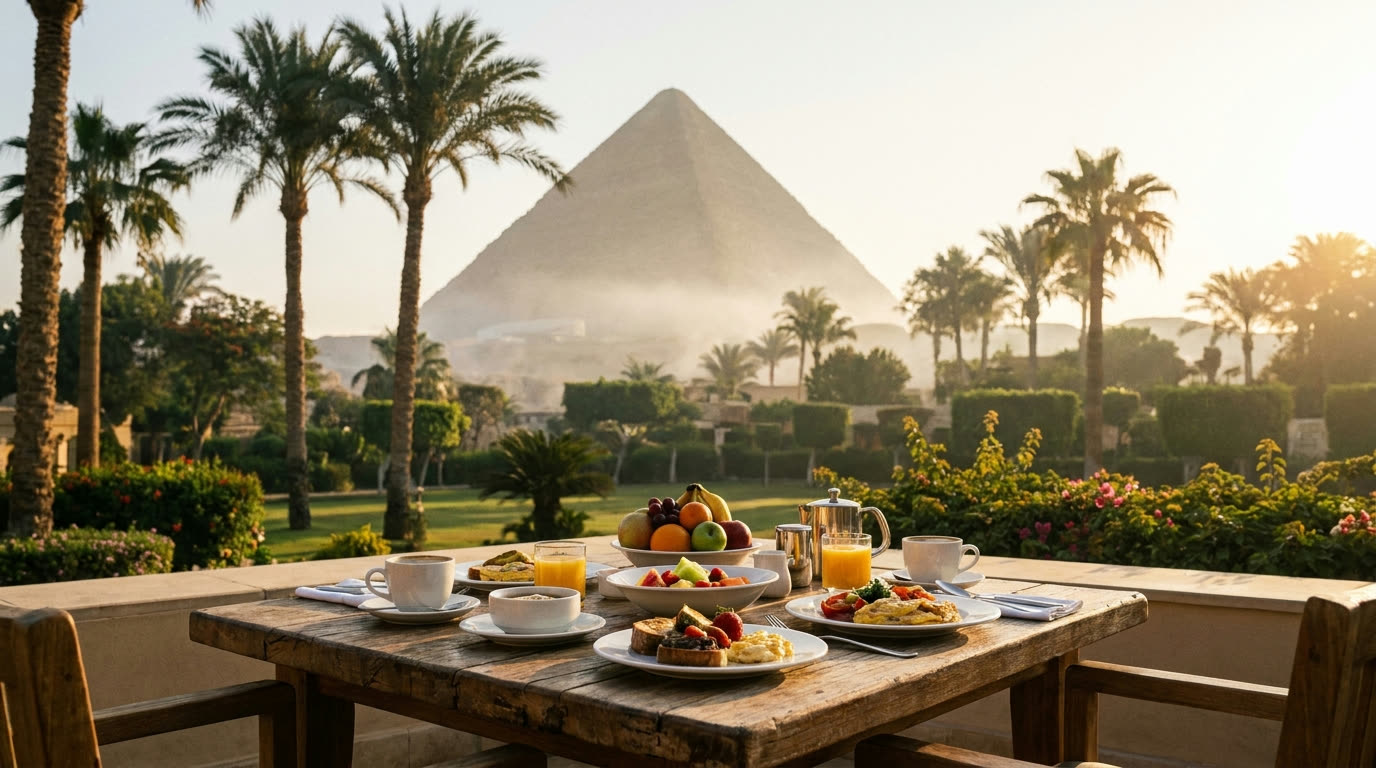
Mena House Map is the 19th-century hunting lodge turned grand hotel at the foot of the plateau — royalty and treaty-signers filled its guestbook long before the coaches arrived. Book a pyramid-view room in the historic palace wing, take breakfast at the 139 Pavilion with the Great Pyramid filling the window, and walk to the plateau gate in minutes. Waking up to that silhouette never becomes ordinary.
The St. Regis Cairo & the quieter options
The St. Regis Cairo Map brought butler service and serious suite stock to the Corniche; it is the choice for occasions and long stays. The Sofitel El Gezirah Map, ringed by the Nile on Gezira's tip, trades grandeur for calm and river views from every side. Four Seasons First Residence, on the Giza bank, is the low-key sibling families often prefer.
Nile view or pyramid view? Our specialists usually split the stay — and hold the rooms that face the right way.
Design my stay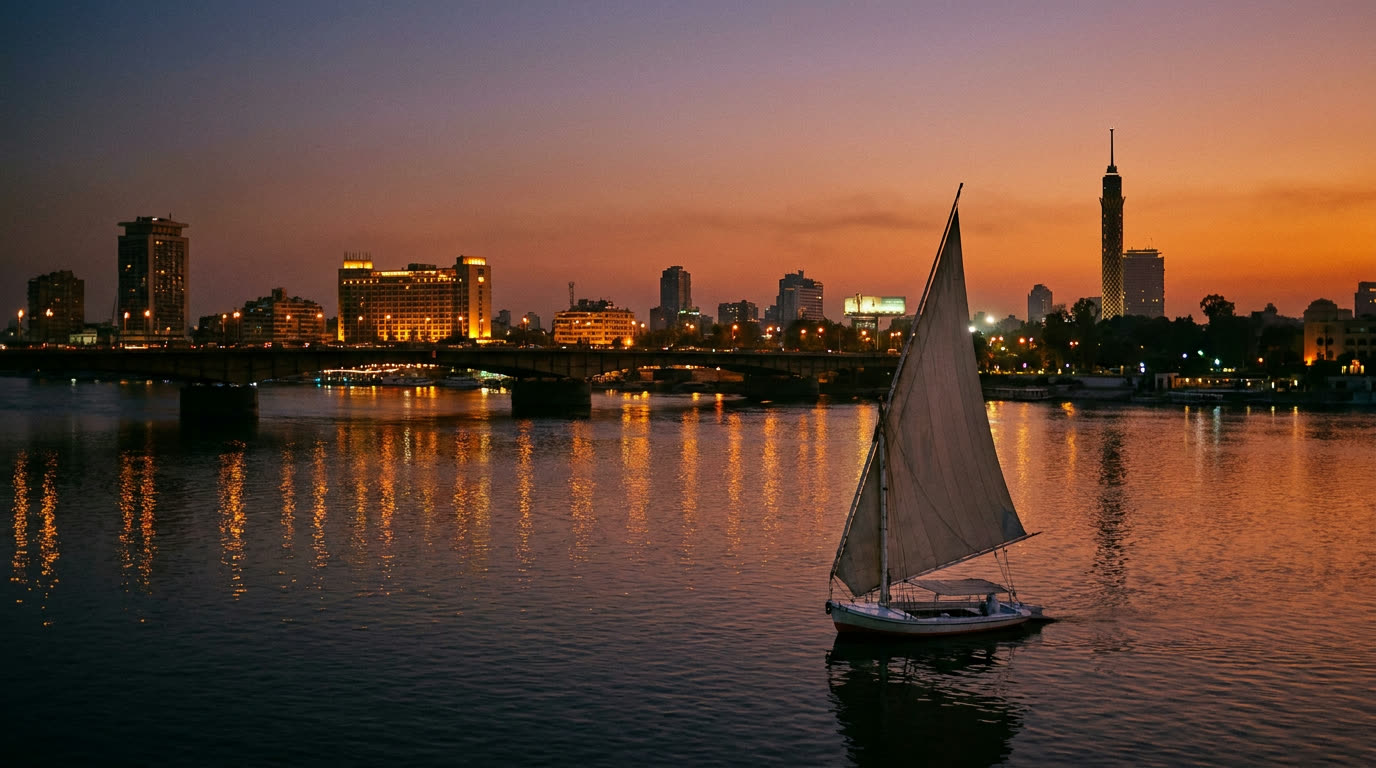
Which iconic spots deserve your time?
Five clusters: Giza plus the Grand Egyptian Museum, Saqqara-Dahshur, Islamic Cairo, Coptic Cairo, and the Egyptian Museum's old home on Tahrir. Each has an insider route, and the difference between the right hour and the wrong one is the whole experience.
The Grand Egyptian Museum
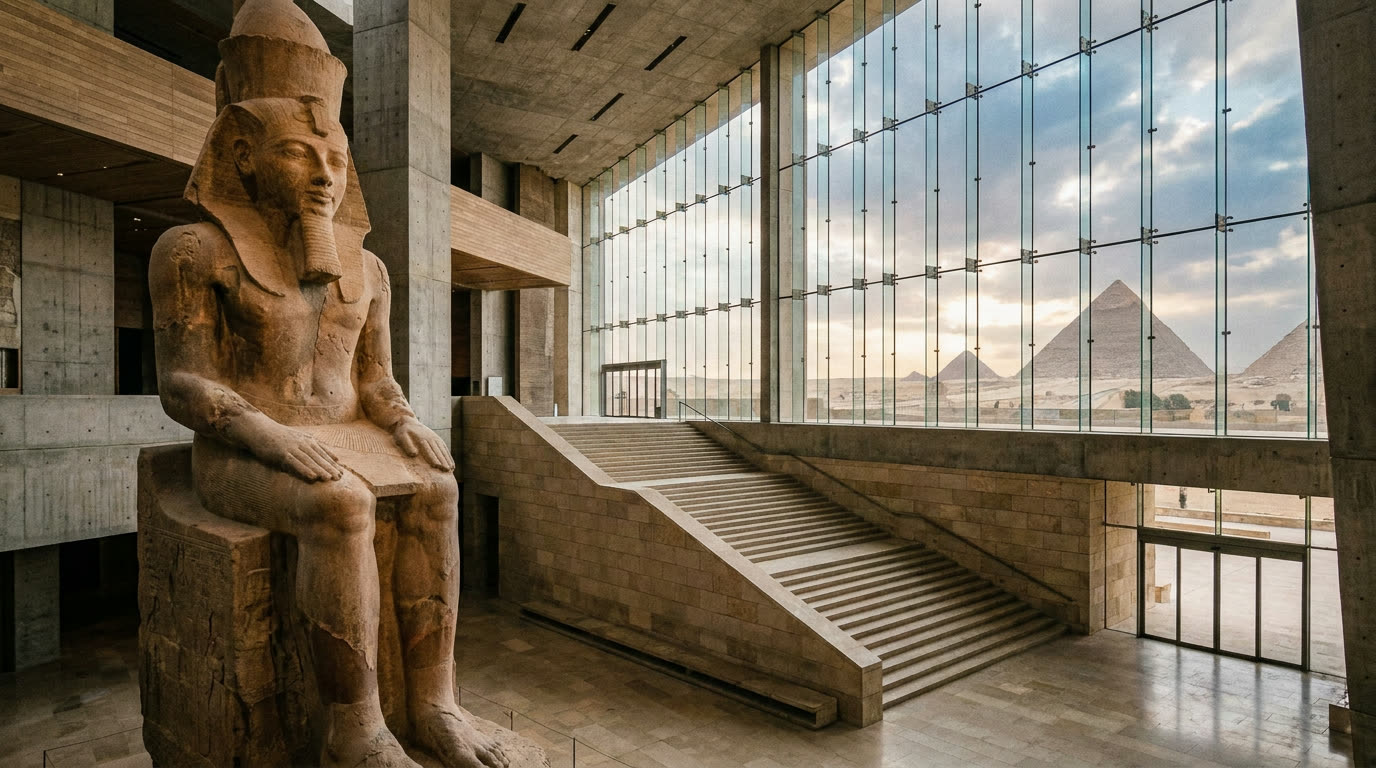
The GEM Map is the largest archaeological museum complex in the world, a kilometre from the plateau, and the complete Tutankhamun collection — all five-thousand-plus objects together for the first time — is its centre of gravity. The grand staircase alone, lined with colossal statuary and framing the pyramids through the glass wall, justifies the visit. Book a private Egyptologist and enter at opening; by mid-morning the Tutankhamun galleries become a slow river of people. Allow four hours minimum. Enthusiasts should simply surrender a day.
Islamic Cairo & the Citadel
From the Citadel's ramparts the whole city spreads below, a thousand minarets deep. Descend to Al-Muizz Street Map — effectively an open-air museum of Mamluk architecture — and walk it north to south with a guide who can open the buildings, not just name them. The Qalawun complex and the view from atop Bab Zuweila are the two stops people thank us for.
Khan el-Khalili
The 14th-century bazaar Map is theatre, and knowing that makes it enjoyable. Go with a guide the first time, agree that you will buy nothing for the first hour, and take mint tea at El Fishawy Map — open continuously for over two centuries — while the crowd flows past. Serious buying (brass, inlay, textiles) happens in the workshops off the main artery, introductions arranged in advance.
What should you eat in Cairo?
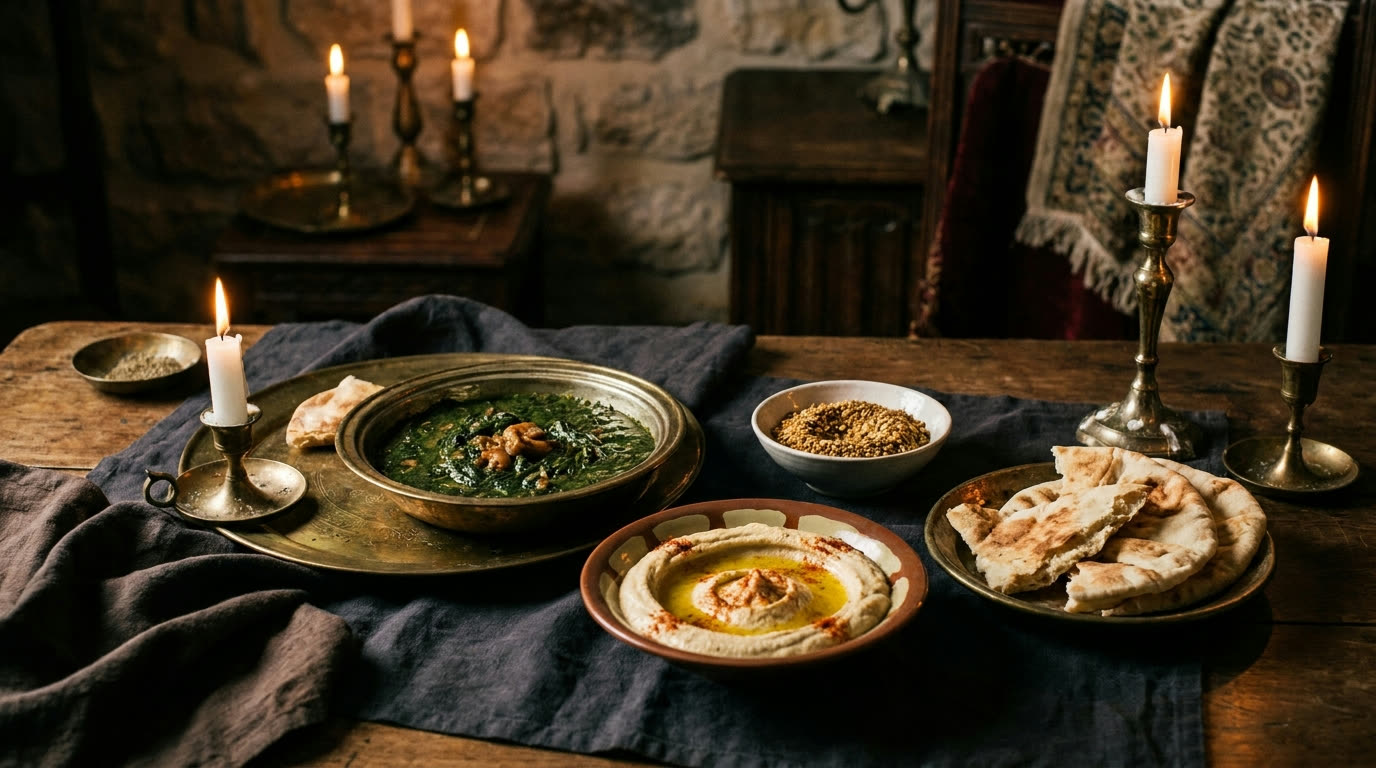
Egyptian food is the Mediterranean's most underrated table: slow-cooked molokhia, stuffed pigeon, dukkah-crusted everything, and street classics like koshary that deserve their cult. Cairo's high end has caught up with its heritage in the last few years, and the best seat in the country now faces the Great Pyramid.
The pyramid tables
Khufu's khufus.com Map sits inside the Giza Plateau itself, serving elevated Egyptian cuisine with the Great Pyramid filling the terrace view — ranked No. 1 on MENA's 50 Best Restaurants list. Book weeks ahead and time the reservation for the hour before sunset. The 139 Pavilion at Mena House Map owns the breakfast slot — an uninterrupted pyramid view over Egyptian eggs and fresh mango juice — and 9 Pyramids Lounge Map, on the desert ridge, covers casual lunch inside the site.
In the city
Abou El Sid in Zamalek Map is the definitive Egyptian dining room — dim, antique-filled, unapologetically traditional. Order the molokhia with rabbit if you trust us, the circassian chicken if you don't. Sequoia Map, on Zamalek's northern tip, is the open-air Nile-side scene for long Levantine dinners under white canvas. In Khan el-Khalili, the Naguib Mahfouz Café Map restores souk-weary shoppers with mezze in air-conditioned Ottoman surroundings. At Nile Plaza, the Four Seasons' restaurants — Riviera for Italian, Zitouni for Egyptian — are the polished evening default.
Street level, safely
Koshary — the carb-on-carb national dish — should be eaten once, from a famous house like Abou Tarek, ideally ferried back to the hotel by your driver, which is exactly what everyone actually does. Feteer (flaky layered pastry) and fresh sugar-cane juice round out the essentials. Our guides know which stands we trust that season; freelancing on street food the first day of a four-day trip is poor risk management.
Where is the luxury insider layer?
Cairo's private layer is access: the plateau before hours, the museum after them, the workshop behind the shopfront. Money spends quietly here, and the doors that matter open through relationships rather than rate cards.
Private access & after-hours
The marquee arrangements: early private entry at Giza ahead of general opening, private evening functions on the plateau with licensed event operators, and out-of-hours guided visits at museums for groups — all bookable with lead time, none walk-up. The Four Seasons' concierge desks and operators of the calibre of Abercrombie & Kent's Cairo office run these routinely; so do we. If a "private access" offer arrives cheap and instant, it is neither.
The Nile, chartered
Beyond the felucca hour, restored vintage dahabiyas and modern motor yachts charter by the evening from the central moorings — dinner on the water for two or twenty, brass lamps, the Citadel lit on the skyline. This is the correct venue for the celebration dinner of the trip.
Cigars, bars & late evenings
Cairo remains a smoking city, and the five-star lounges keep proper humidors: the bars at Nile Plaza and The St. Regis are the reliable rooms for a Havana and an aged rum with the river below. Zamalek supplies the late scene — rooftop bars and members-style lounges along the Nile-facing streets; current names rotate quickly, which is precisely what a concierge is for.
Private shopping
The serious acquisitions: museum-grade replica work from the official GEM ateliers, custom cartouche pieces from established Zamalek jewellers, hand-knotted rugs and inlay from Khan workshops visited by introduction, and bespoke Egyptian-cotton orders. Zamalek's boutiques and galleries — concentrated around the 26th of July Street spine Map — are the browsing afternoon. Everything ships; nothing needs to be carried.
Give Cairo four days and it gives you the deepest week of travel you will do this decade. The pattern is simple: rise early, go private, retreat to the river. Then book the dahabiya south — but that, as we said, is its own journey.
Every address above can be arranged, reserved and chauffeured for you — free, by your dedicated Dubai-based specialist.
Plan my Cairo journey