The Zanzibar Little Black Book
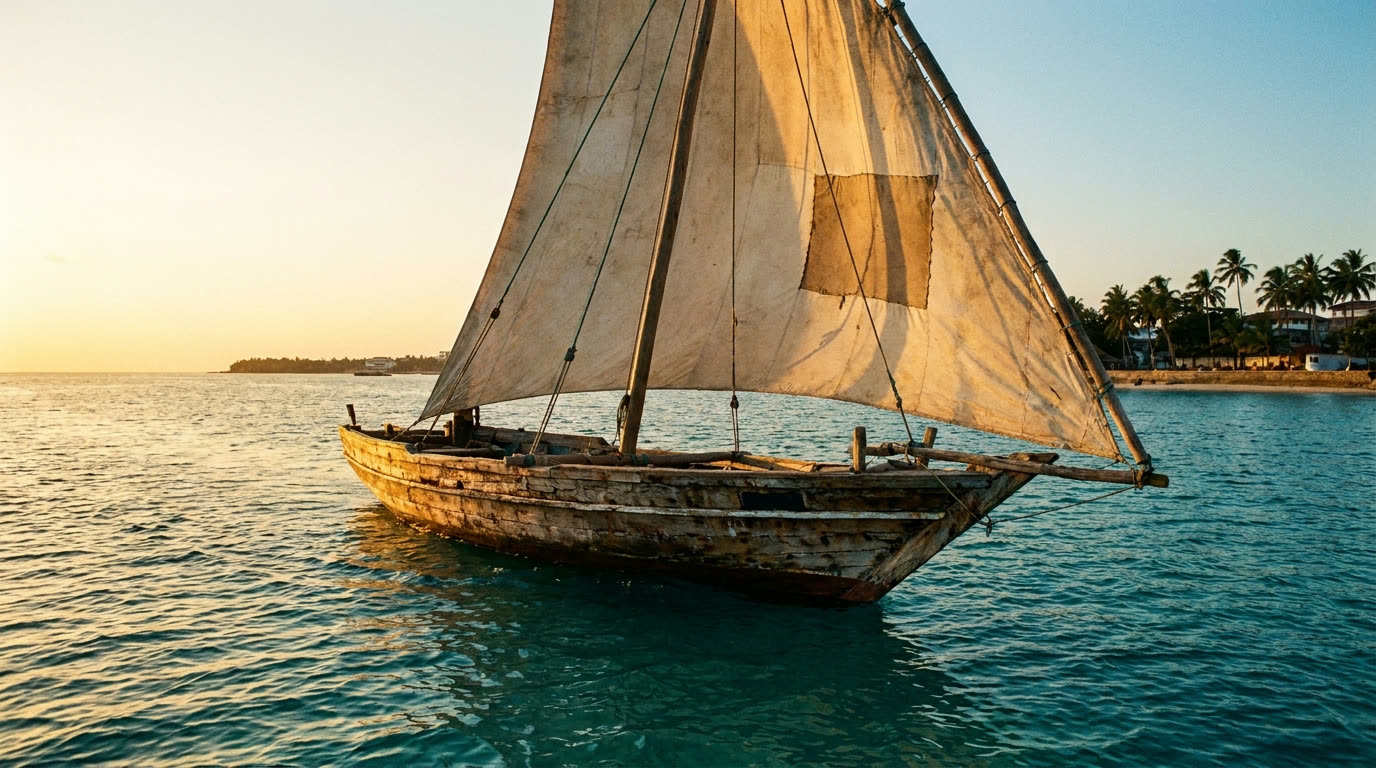
Zanzibar trades on a name so evocative it barely needs a fact attached. The facts help anyway: a Swahili-coast island six hours from Dubai, a UNESCO-listed trading town of carved doors and rooftop dinners, an atoll with East Africa's best snorkelling, and beaches whose character changes entirely with the tide chart. Book it by the tides and the island is sublime; ignore them and half the photographs lie to you. Our working notes follow, alongside the Zanzibar destination page.
Everything below was verified against the hotels and operators in July 2026. Prices are indicative.
What is Zanzibar really like? What are the big adventures? How should you spend your days? Where should you stay? Which iconic spots deserve your time? What should you eat? What is the luxury insider layer?
What is Zanzibar really like?
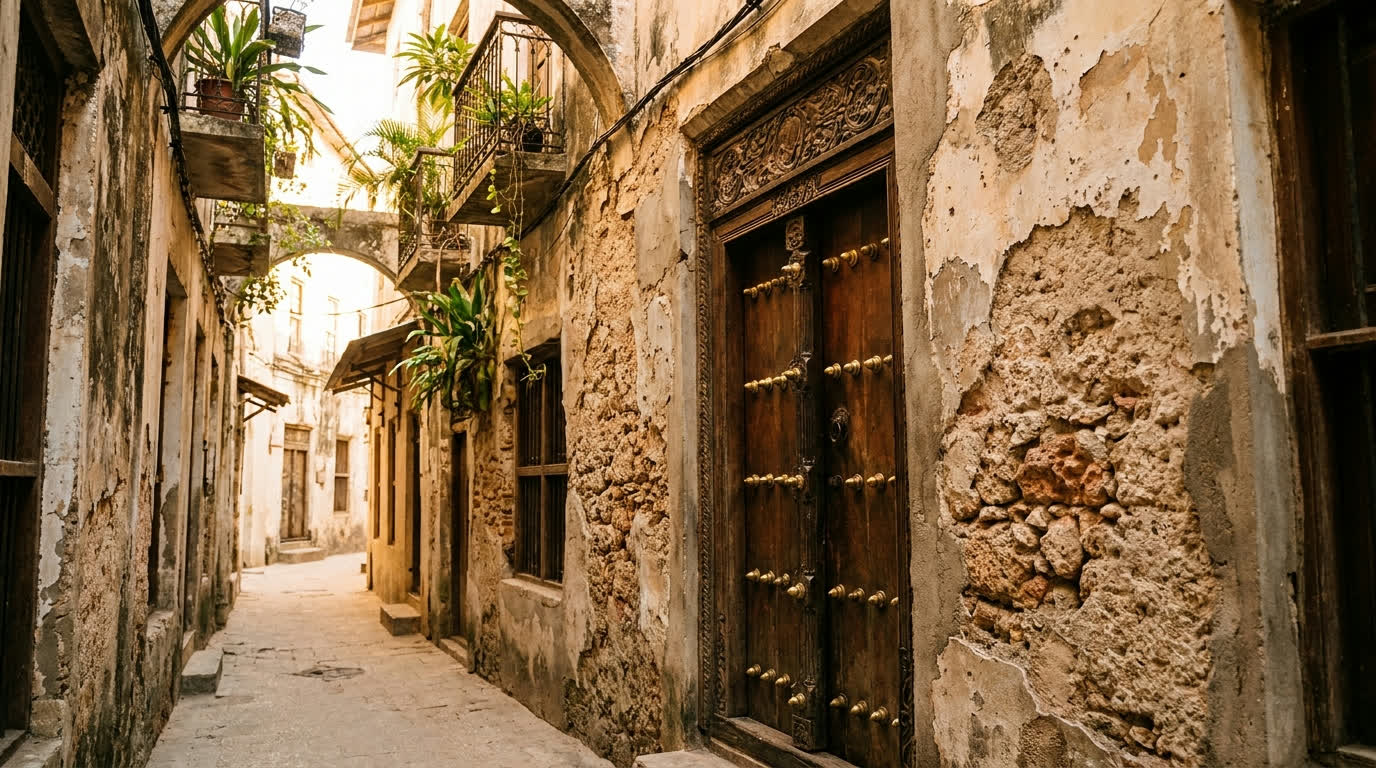
For a thousand years this island was the hinge between Africa, Arabia and India — cloves, ivory and, shamefully, slaves moved through its harbour, and Omani sultans ruled from its seafront palaces. The residue is the Swahili coast at its most concentrated: coral-stone lanes, brass-studded doors, muezzins and church bells sharing the same air, and a cuisine that tastes like the trade routes themselves.
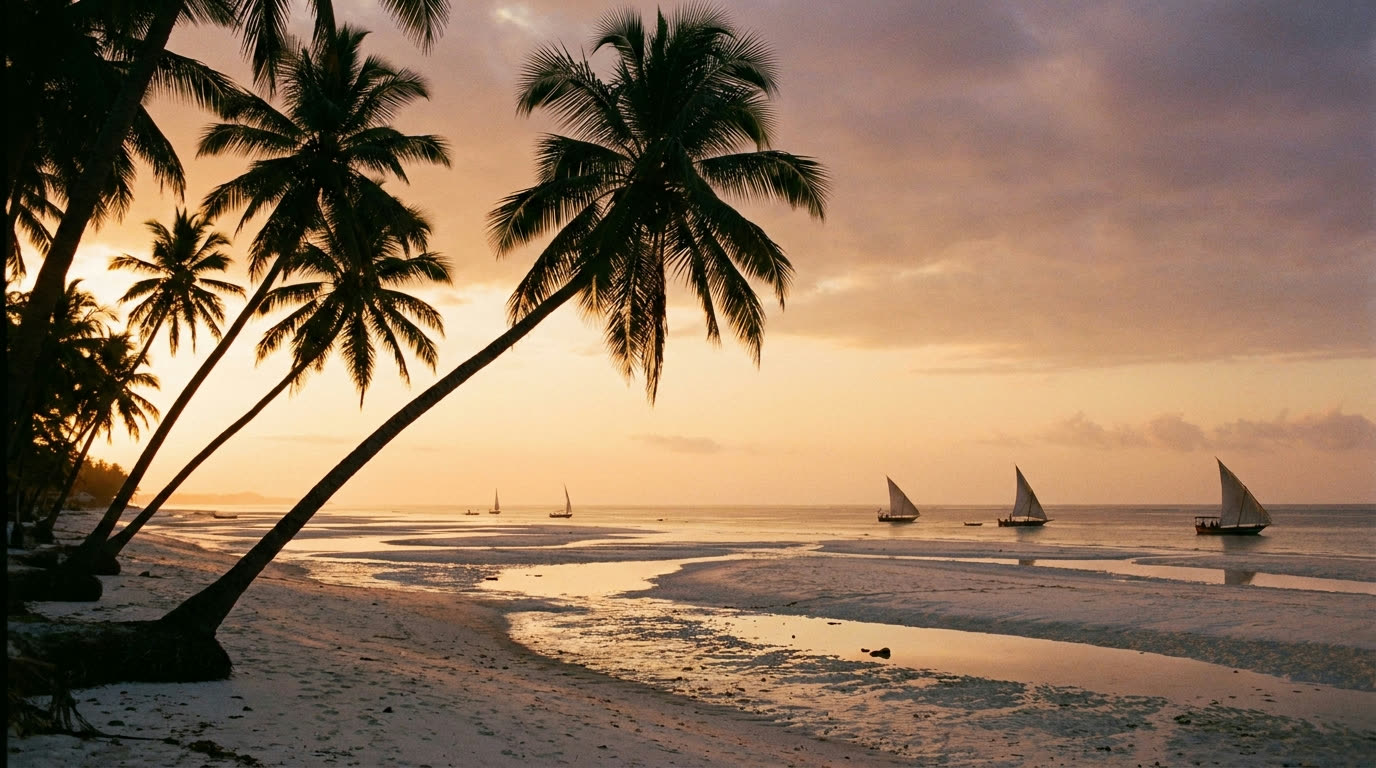
Two islands share the name in practice. Stone Town, dense and historical, wants one or two nights and good walking shoes. The coasts want the rest — and they differ sharply. The east (Paje, Bwejuu, Michamvi) is postcard-white but tidal: at low tide the sea retreats half a kilometre. The northwest (Nungwi, Kendwa) swims all day. We place clients by that single fact more than any brochure.
June to October is the classic season — dry, breezy, high twenties. Avoid the long rains of April and May entirely. And accept the pace: "pole pole" (slowly, slowly) is not a slogan here, it is the operating system.
Zanzibar is a tide chart with a paradise attached. We book it by the water, not the brochure — free.
Plan my Zanzibar journeyWhat are the big adventures in Zanzibar?
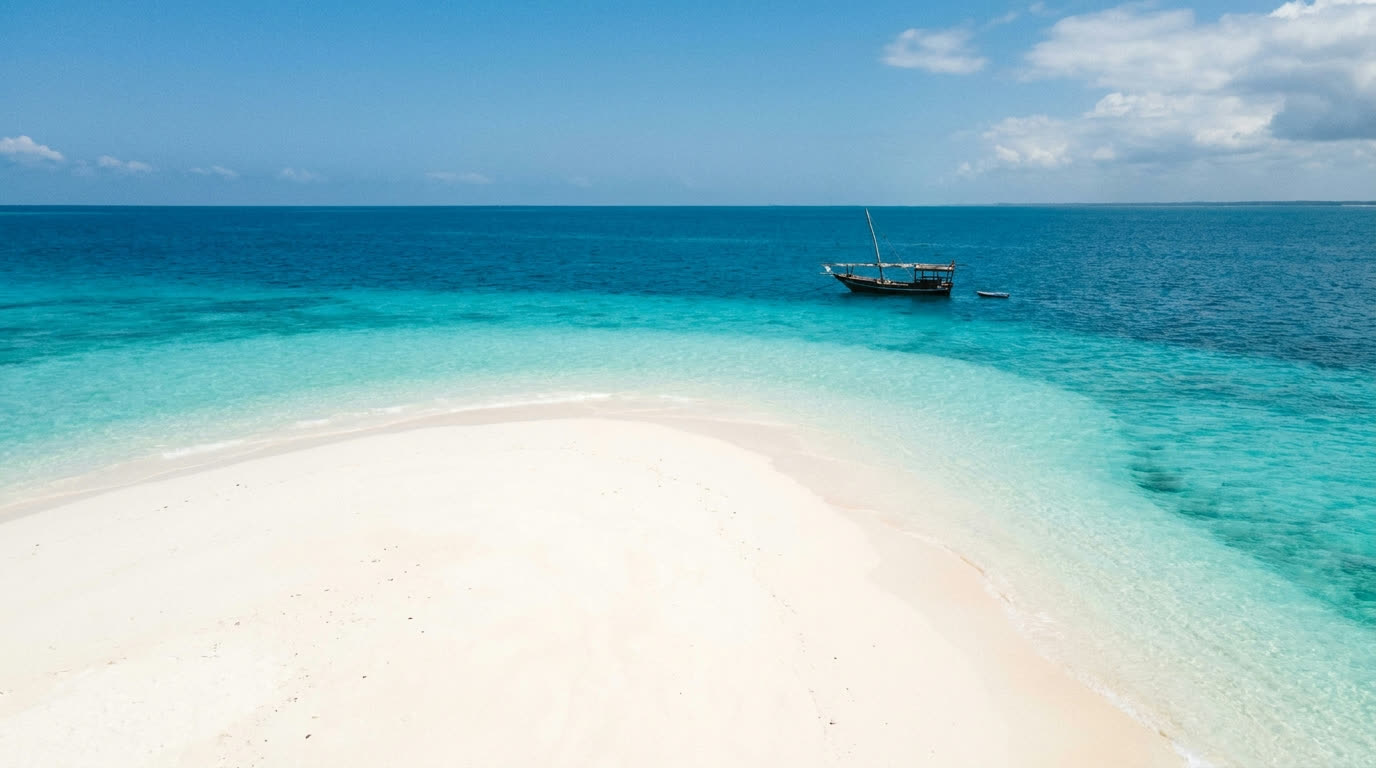
The signature day is the Mnemba atoll by private dhow. Operators such as Dream Dhow run full-day private charters (from roughly US$130 per person): dolphins on the crossing more often than not, snorkelling the atoll reef, a swim off a mid-ocean sandbank, lobster and tuna grilled on board, and the sail home under canvas as the light goes amber. The private boat matters — the shared fleet chases the same dolphins in a scrum; a good crew watches from distance. Map
Divers get more: Mnemba's outer walls hold turtles, reef sharks and the archipelago's best visibility, with certified centres at Nungwi and Matemwe running small-group boats. Kitesurfers own Paje — steady cross-shore wind on a waist-deep lagoon makes it one of the world's great learning beaches, with IKO schools along the sand. Map
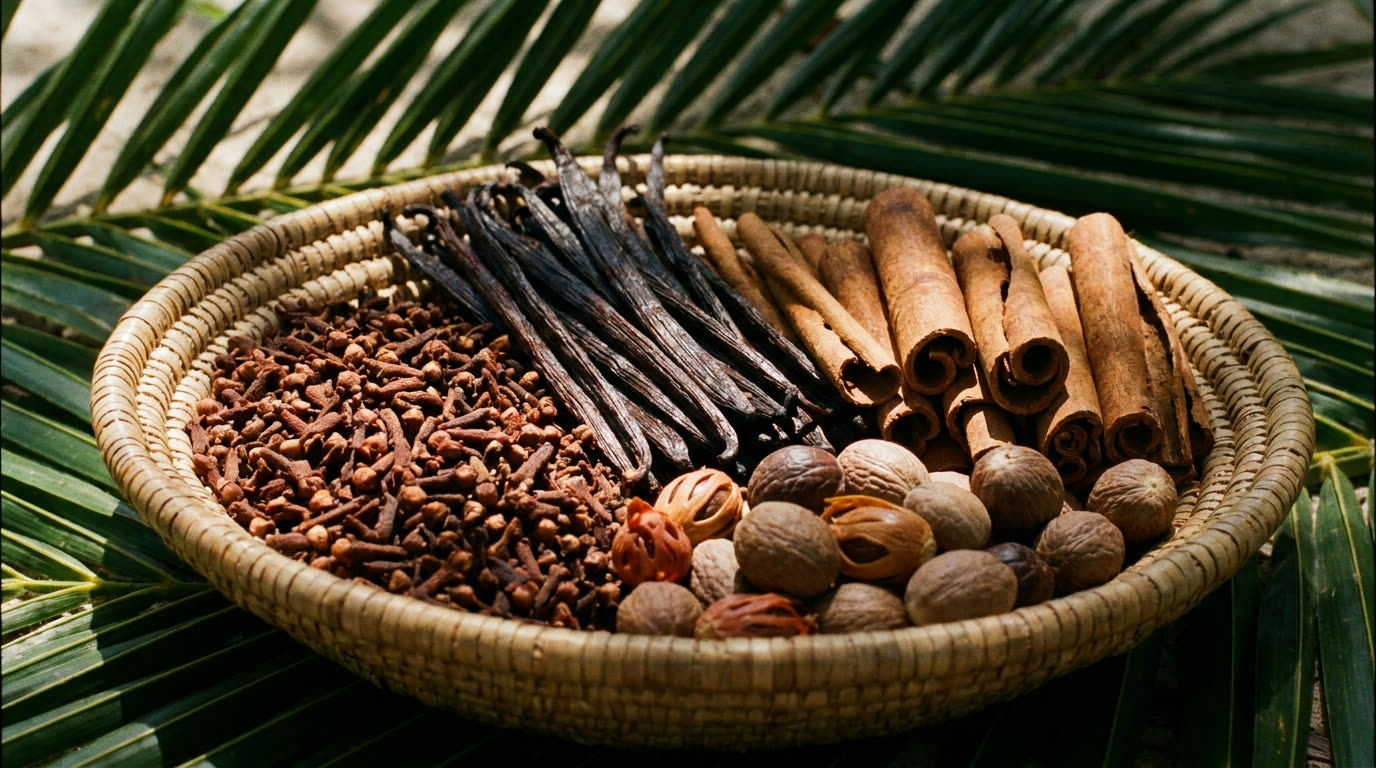
Inland, Jozani Forest shelters the Zanzibar red colobus — a monkey found nowhere else on earth, unbothered at arm's length on the boardwalk trails — and the mangrove walk beyond it is quietly the better half of the visit. Map A proper spice-farm tour (crush the clove, taste the fresh nutmeg mace, climb for a coconut) turns the island's history into an edible hour. Map
How should you spend your days in Zanzibar?
The right shape is Stone Town first, coast second — never the reverse, because nobody leaves a beach for a city. Give the town a full day: the old fort and seafront palaces, the former slave market at the Anglican cathedral (sobering, and essential), the carved-door lanes with a historian guide, then sundowners on a rooftop as the muezzins begin. Forodhani Gardens' night food market is chaos worth one browse — eat the urojo, judge the seafood skewers by the queue of locals. Map
Then the coast: the dhow day, a spice-farm morning, Jozani en route between coasts, and long tide-timed beach days. Couples should take the sunset dhow with dinner on board — the proposal boat of record — and a sandbank picnic à deux. Families add Prison Island's giant Aldabra tortoises (twenty minutes by boat from Stone Town, some over a century old) and the shallow, safe swimming at Kendwa. Map
Leave one day empty per week. The island fills it better than a plan does.
Where should you stay in Zanzibar?
Zuri Zanzibar — Kendwa (Ultra)
The design flagship on the island's best swimming beach: bungalows and villas in tropical gardens above 300 metres of white Kendwa sand, a spice-garden spa and the northwest sunset every evening. Ocean-front bungalows are the rooms to hold. zurizanzibar.com Map
andBeyond Mnemba Island (Ultra)
Twelve palm-thatched bandas on a private island inside the atoll's marine reserve — barefoot, staff-heavy, and the closest East Africa comes to a castaway fantasy with turndown service. Books out the better part of a year ahead. andbeyond.com Map
Baraza Resort & Spa — Bwejuu (Luxury)
Swahili-Omani palace architecture in white and gold on the southeast coast — all-villa, all-inclusive done properly, with arches, brass lamps and a serious spa. The east-coast tide caveat applies; the pools answer it. baraza-zanzibar.com Map
Emerson Spice & Emerson on Hurumzi — Stone Town (Refined)
The two heritage boutiques of the old town, restored merchant palaces a lane apart, consistently rated Stone Town's best — each crowned by a rooftop Tea House restaurant, with the Secret Garden below at Spice. Book the opera-named rooms early and dine on your own roof. emersonzanzibar.com Map
The Residence Zanzibar — Kizimkazi (Luxury)
Sixty-six pool villas in 32 hectares on the quiet southwest coast, with bicycles to roam the grounds and dolphins off Kizimkazi at dawn. The polished-seclusion pick. cenizaro.com Map
| Stay | Tier | Coast | Best for |
|---|---|---|---|
| Zuri Zanzibar | Ultra | Kendwa (NW) | Design, all-tide swimming |
| andBeyond Mnemba Island | Ultra | Mnemba atoll | Private-island seclusion |
| Baraza Resort & Spa | Luxury | Bwejuu (SE) | Swahili palace, all-inclusive |
| The Residence Zanzibar | Luxury | Kizimkazi (SW) | Pool villas, quiet |
| Emerson Spice / on Hurumzi | Refined | Stone Town | Heritage, rooftop dining |
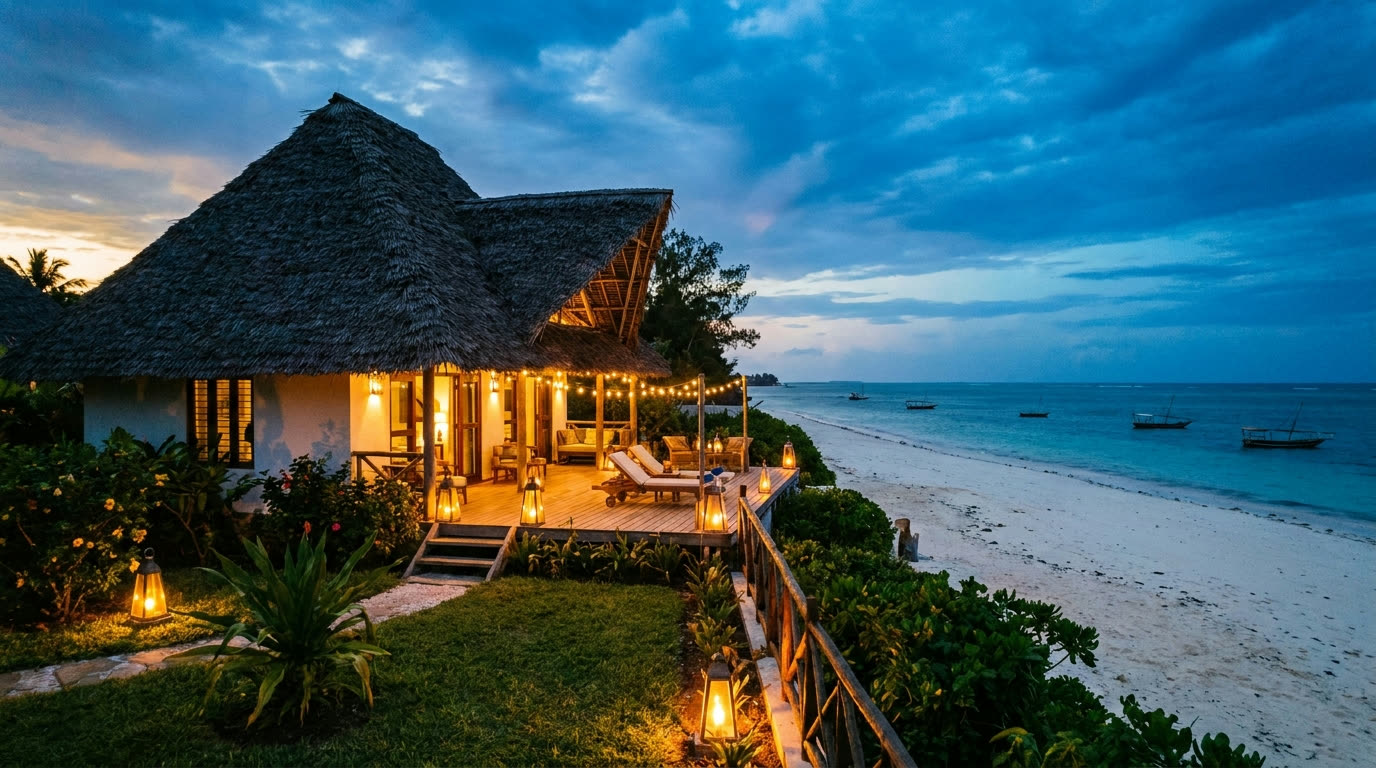
Mnemba's twelve bandas and Zuri's front row sell out the better part of a year ahead. Dates to us first — we hold the sand, free.
Plan my Zanzibar journeyWhich iconic spots deserve your time?
Stone Town's old quarter
The UNESCO-listed maze itself is the monument: carved doors, the old fort, the sultans' seafront, the slave-market memorial. Two guided hours in the morning cool, then get deliberately lost. Map
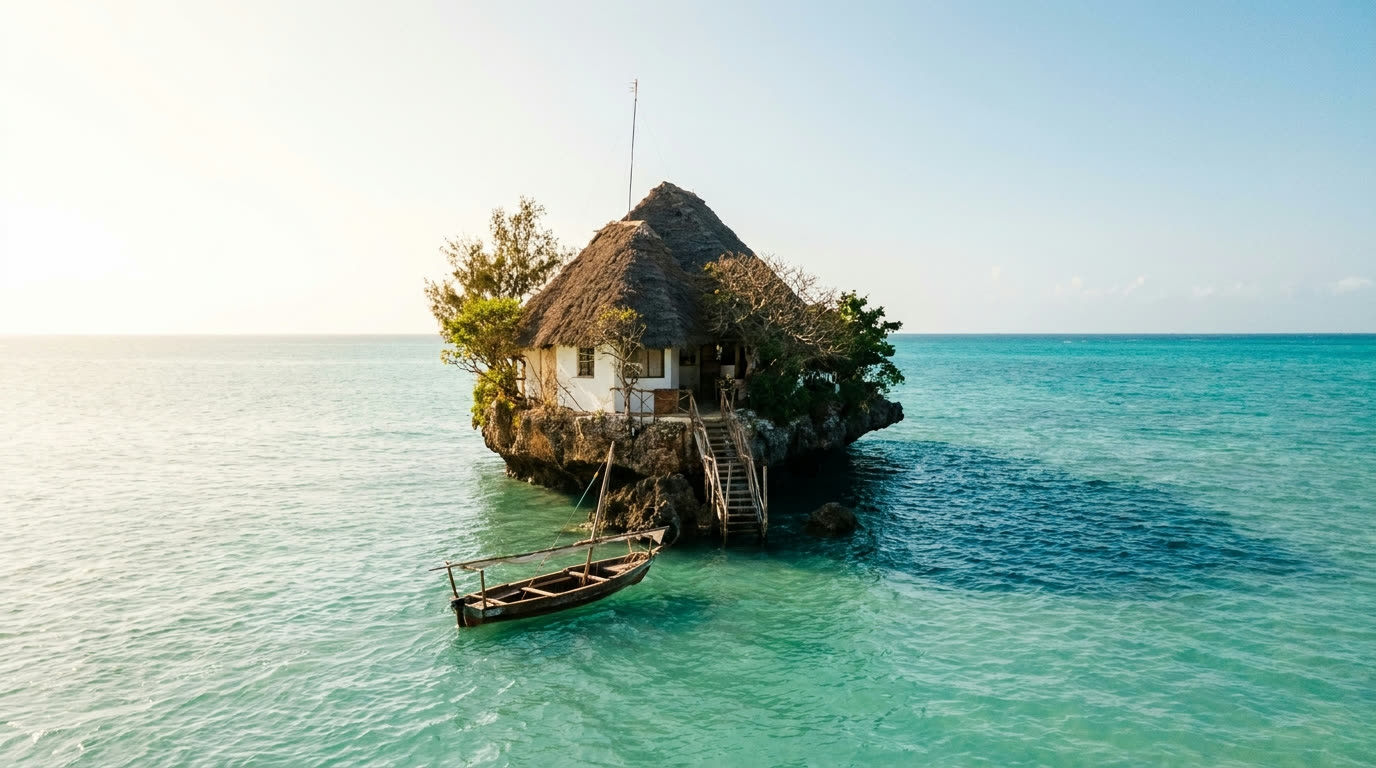
The Rock, Michanwi Pingwe
The restaurant on its own tidal boulder — walk out at low tide, boat at high. It earns its fame on setting; book the terrace and go for the grilled seafood at high water. therockrestaurantzanzibar.com Map
Jozani Forest
The red colobus at arm's length, mahogany canopy, mangrove boardwalk. Ninety minutes, mornings, en route between coasts. Map
Nakupenda sandbank
The vanishing white sliver off Stone Town — "I love you" in Swahili — best claimed early by private boat with Prison Island's tortoises on the way back. Map
What should you eat in Zanzibar?
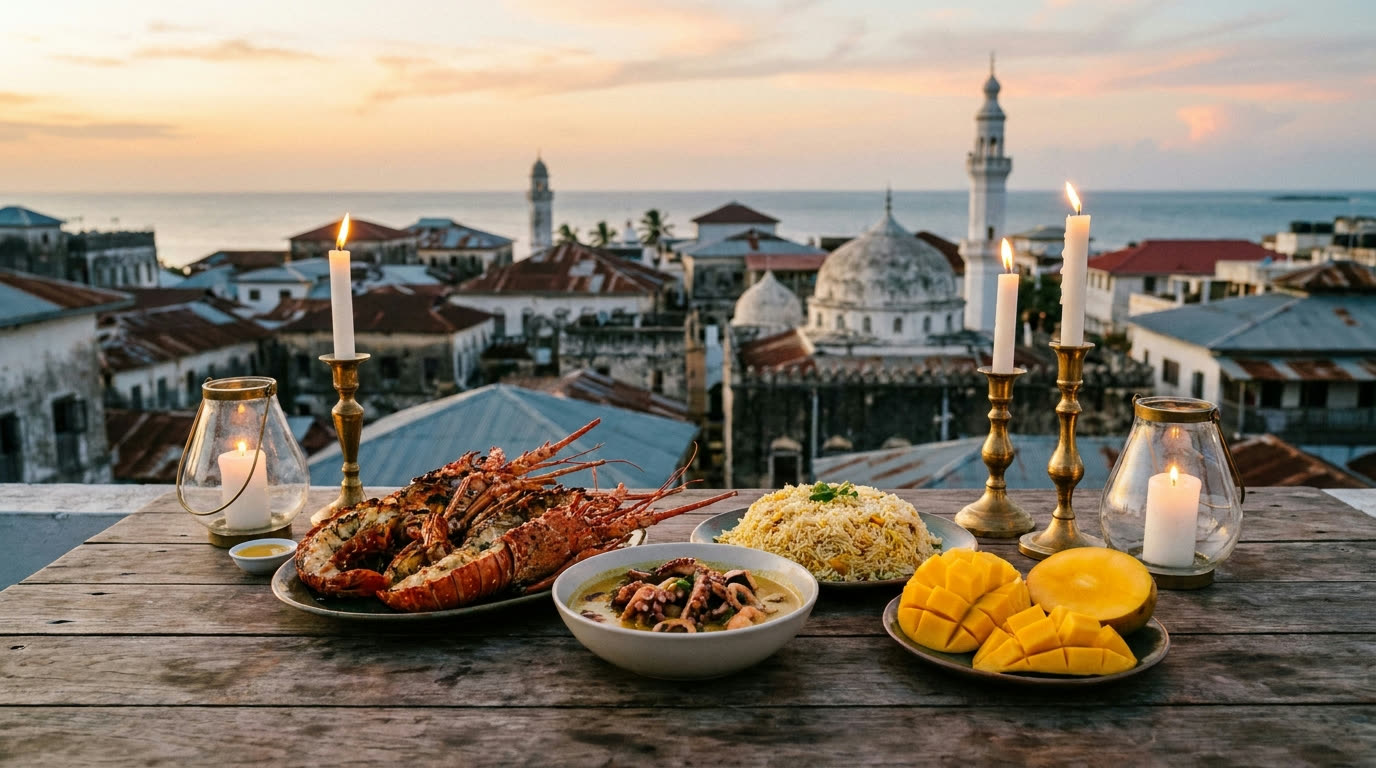
This is the Spice Island; the food keeps the receipts. Pilau and biryani here taste closer to Muscat and Gujarat than to the mainland; octopus arrives in coconut curry; urojo — the tamarind-turmeric "Zanzibar mix" soup with crunch and boiled egg — is the street dish to seek out at lunch. Grilled seafood is the daily default and the standard is high: lobster, kingfish and calamari over coconut-shell coals, judged by freshness rather than technique.
Stone Town's rooftop institutions are the occasion tables: the Tea House dinners at Emerson on Hurumzi and Emerson Spice — set Swahili tasting menus above the rooftops, cushions and sunset first, courses after — plus the Secret Garden below for the candlelit courtyard version. Book days ahead; the roofs are small. Map On the coasts, the resort kitchens carry the top end, and The Rock supplies the postcard lunch.
Finish the register: spiced coffee poured thimble-small from a brass dalla, sugarcane juice pressed with ginger and lime at Forodhani, and the Zanzibar pizza — a fried street crêpe that is neither pizza nor explicable — eaten once, at night, from the busiest stall.
What is the luxury insider layer in Zanzibar?
The private layer here floats. Beyond the day-dhow, sunset-dinner charters (from about US$180–300 per person, fully private) put a chef and a grill on the water; multi-hull and motor-yacht options run from Nungwi for families who want speed with the seclusion. The sandbank picnic — table, ice, parasol, crew standing off — is the island's single most photographed private hour, and every good operator stages it if asked at booking.
On land, the insider moves are timing and introductions: after-hours access to Stone Town's palace museums through licensed guides, a private spice-farm buyout with lunch cooked in the grove, and the northern villas — staffed, walled, generator-and-Starlink equipped — that answer the remote-work-in-paradise brief the resorts cannot. Connectivity has improved sharply at the top end; confirm the specific villa, not the brochure.
Shopping is small and genuine: spices bought whole at source, Tinga Tinga painting from the artists' cooperatives rather than the print stalls, carved chests and doors shipped with export papers, and vanilla and clove oil that make better gifts than anything duty-free. The final insider note is the pairing: Zanzibar is the natural decompression after a Serengeti or Ngorongoro safari — one internal flight, and the dust becomes ocean. We build the two as a single itinerary more often than either alone. Map
Zanzibar rewards the traveller who respects its tides, its history and its pace. Pair it with a safari, compare the pure-beach brief with the Maldives, then read our other Journal guides — and let the dhow do the last hour of every day.
Every address above can be arranged, reserved and chauffeured for you — free, by your dedicated Dubai-based specialist.
Plan my Zanzibar journey