Where the World's Wealthiest Actually Go in Tokyo
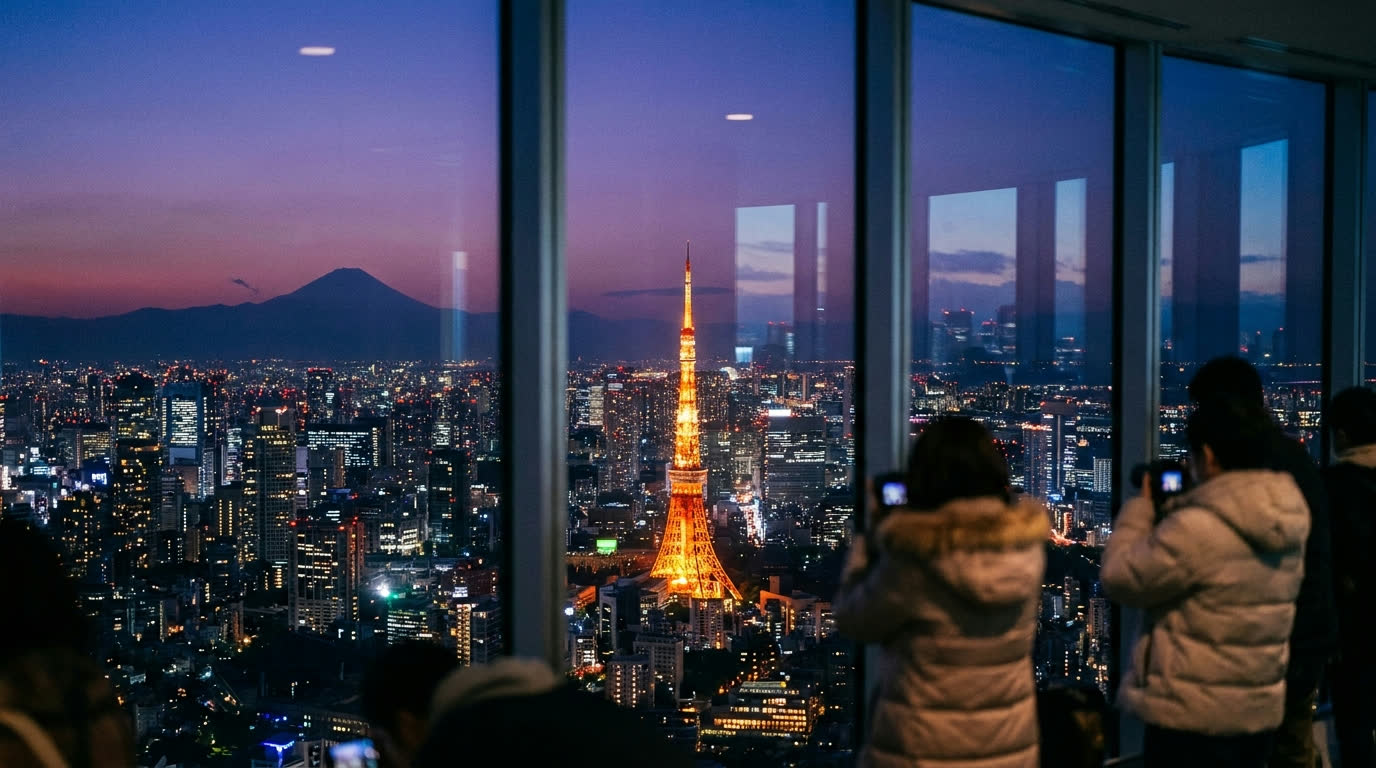
Tokyo is the largest city humans have ever built, and the most precise. Thirty-seven million people, trains timed to the second, more Michelin stars than Paris and New York combined — and behind the neon, a shrine forest where you can hear your own footsteps on gravel. No city rewards good planning more, because the best of Tokyo is booked, referred or timed rather than stumbled upon. Our Tokyo concierge page holds the brief; this is the operating manual.
A framing that helps first-timers: Tokyo is not one city but forty villages wearing a trench coat. You do not "see Tokyo". You choose your villages.
What is Tokyo really like? The big adventures What to do day by day Where to stay The iconic spots What to eat The luxury insider layer
What is Tokyo really like?
Tokyo is order at incomprehensible scale: a megacity that is simultaneously the safest, cleanest and most punctual on Earth, where a lost wallet comes back with the cash inside. It suits every traveller who brings curiosity, and it flattens nobody except the unplanned — the city's genius is depth, and depth needs appointments.
The texture surprises people. Beneath the skyscrapers, Tokyo lives at two storeys: lantern alleys, tofu shops, shrines wedged between towers, the smell of grilled tare at six in the evening. Cash still matters at small counters (carry ¥20,000), tattoos still complicate onsen visits, phone calls on trains are taboo, and nobody eats while walking. Learn "sumimasen" and bow slightly more than feels natural; the city meets you more than halfway.
Seasons: cherry blossom (late March–early April) is a national event with prices to match; autumn (October–November) is the connoisseur's Tokyo — crisp air, gingko avenues golden, Fuji visible from the observatories. June rains, August swelters, and the New Year period closes more than visitors expect. Winter sumo, illuminations and clear Fuji views make January the sleeper pick.
Every address in this guide can be reserved, sequenced and chauffeured for you — free, by your dedicated Dubai-based specialist.
Plan this journey with your free conciergeWhat are the big adventures from Tokyo?
Three: the dawn fish auction, the sumo, and the mountain. Tokyo's adventures are cultural expeditions — each needs timing or tickets, each delivers a memory that outlasts the skyline photos.
Toyosu at dawn
The tuna auction at Toyosu Market Map starts before 6am: frozen giants worth more than cars, auctioneers chanting in code, buyers testing flesh with hooked fingers. Observation access is application-based — we handle the ballot — and the correct sequel is sushi breakfast at one of the market's counters, eating what the morning just sold. The old Tsukiji outer market Map remains the street-food crawl: tamagoyaki on sticks, uni bowls, knife shops that will sharpen your purchase while you eat.
Sumo
Tokyo hosts three fifteen-day grand tournaments a year (January, May, September) at the Ryogoku Kokugikan Map. Arrive by 3pm for the top-division ritual — salt, stamping, silk — and take a box near the hanamichi aisles. Outside tournament weeks, dawn visits to watch morning practice at a sumo stable can be arranged with strict etiquette briefings; it is rawer and arguably better.
The mountain and the onsen
Fuji is a day trip done two ways: the Hakone loop (pirate-ship lake crossing, ropeway over sulphur vents, open-air museums, an onsen lunch) or Kawaguchiko's lakeside viewpoints for photographers. Clarity is a winter sport — November to February gives the best odds. Climbing itself is a July–September affair and a separate conversation. For a no-luggage version, the observatories of Shibuya Sky or Roppongi's Mori Tower deliver Fuji over the city on clear evenings.
What should you do day by day in Tokyo?
Five nights minimum, organised by district cluster — Tokyo punishes criss-crossing. One cluster per day, one booked anchor (meal, show, auction) per day, and trains over cars except at night.
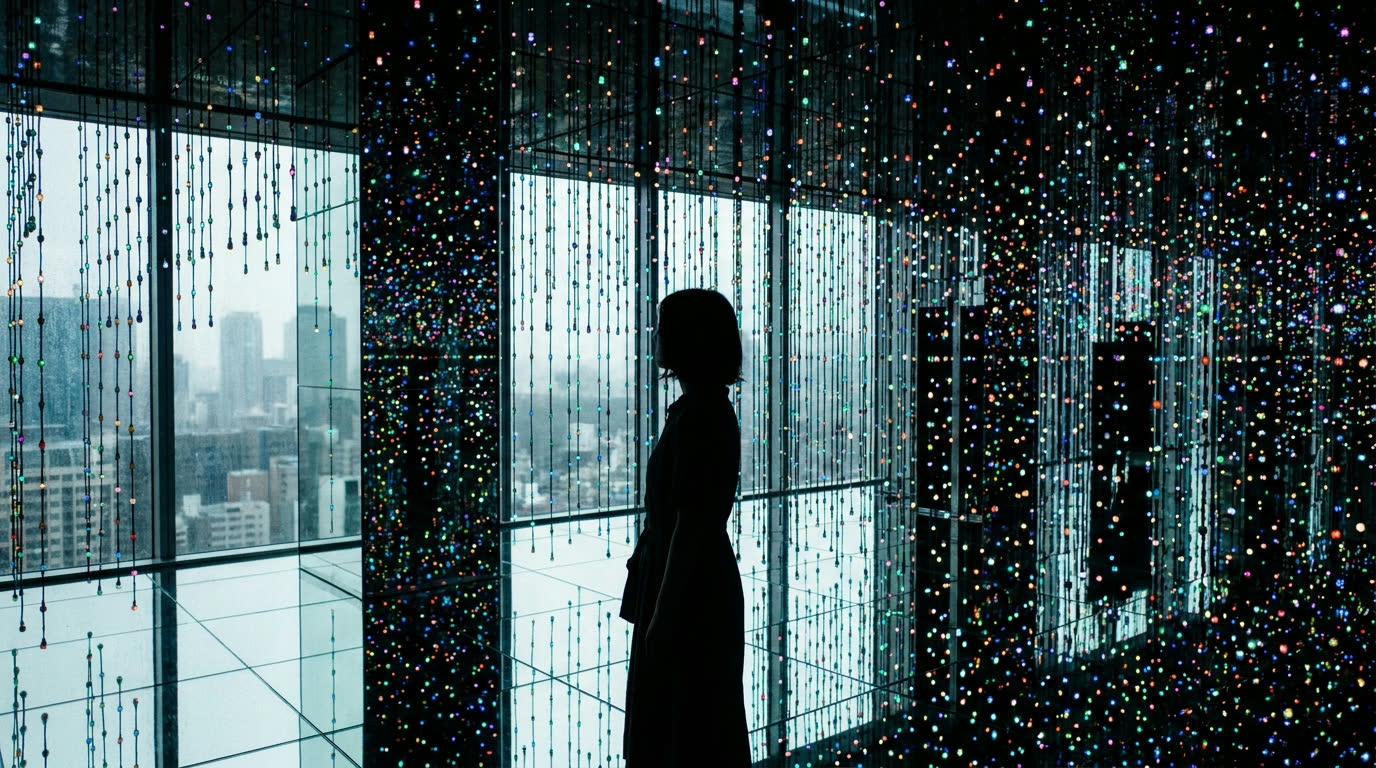
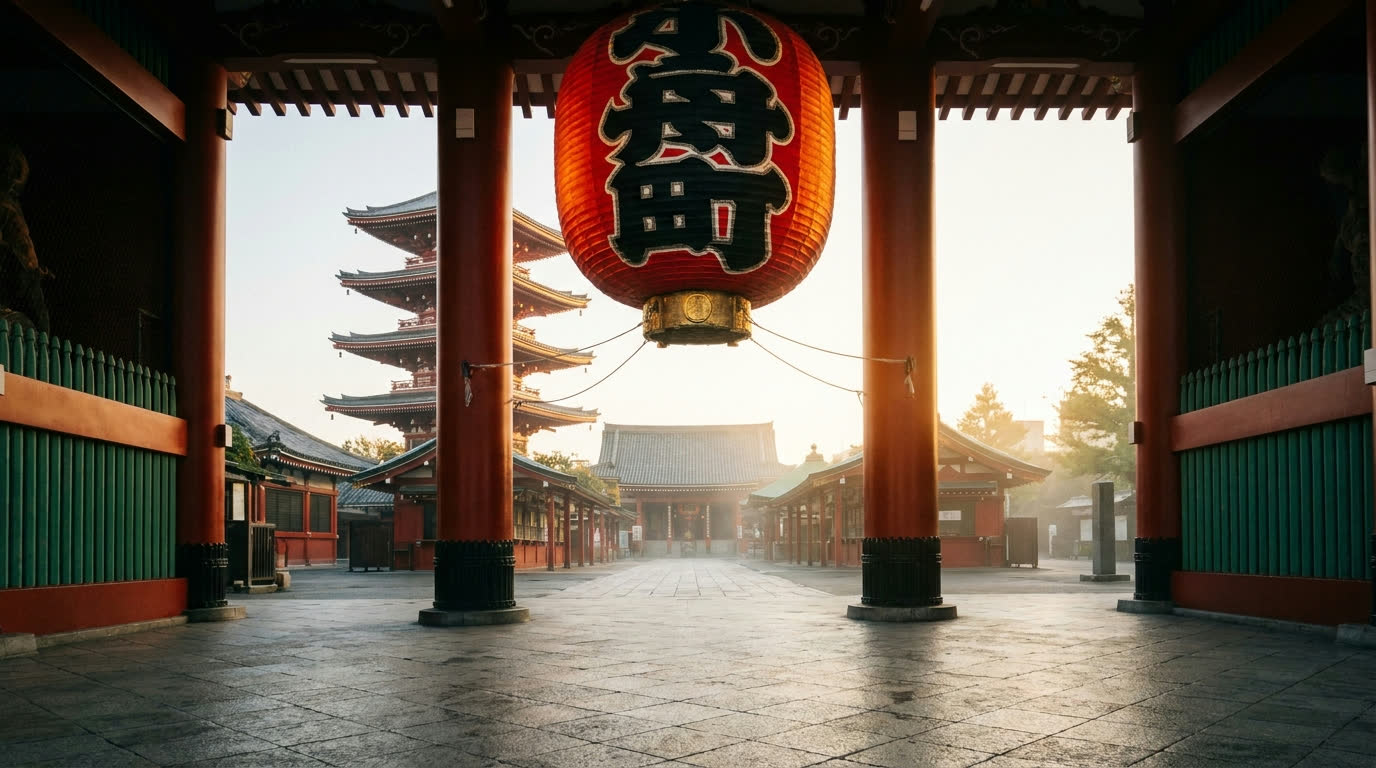
Day one — east: Senso-ji at 7am (below), Asakusa's craft streets, river bus down the Sumida, teamLab Planets in Toyosu — the barefoot water-and-light museum that earns its hype Map.
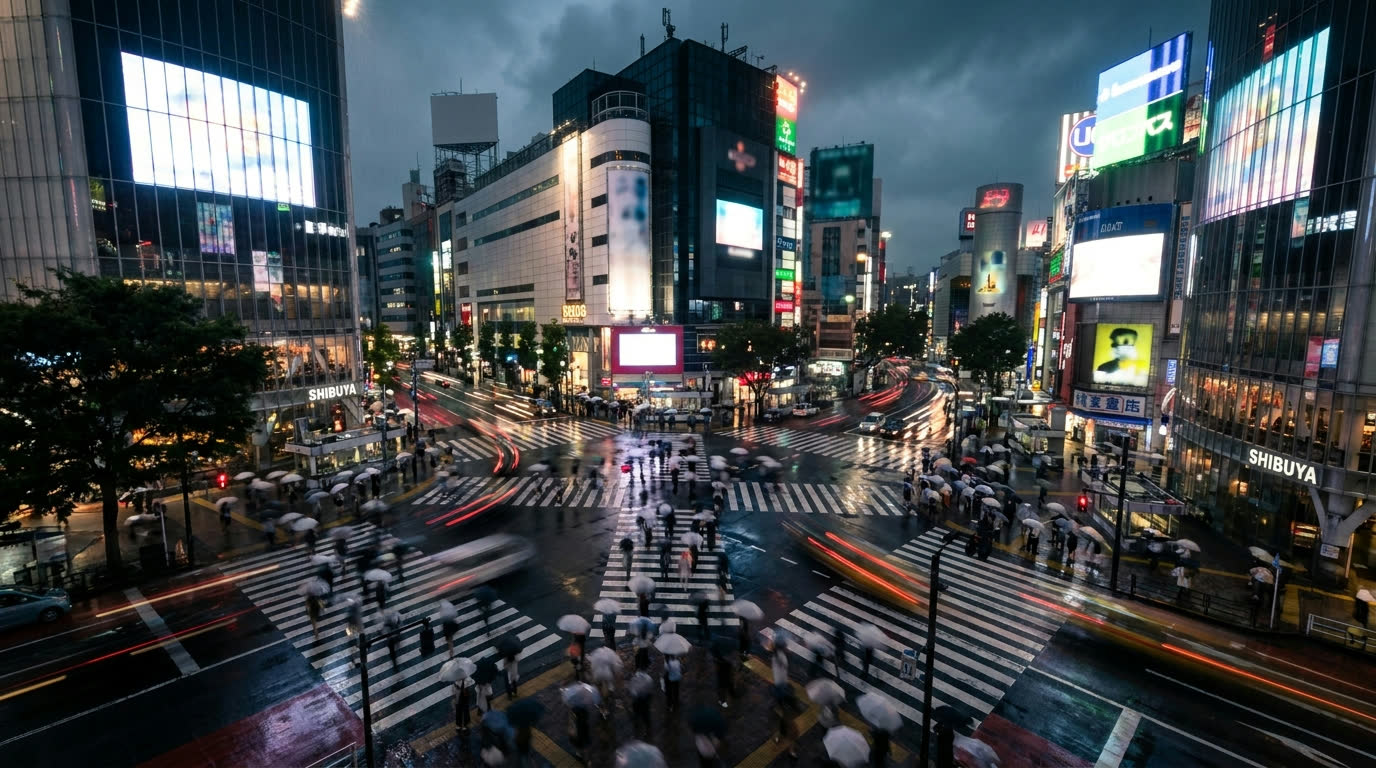
Day two — west: Meiji Shrine as the gates open, Omotesando architecture walk, Nezu Museum's garden Map, Shibuya at dusk for the crossing and Shibuya Sky's open-air roof.
Day three: Toyosu dawn, Ginza afternoon (shopping below), kabuki single-act ticket at Kabukiza if the programme suits Map. Day four: Hakone or Kawaguchiko. Day five: your obsession — manga and electronics in Akihabara, vintage denim in Shimokitazawa, the Yanaka old-town lanes, or nothing but the hotel spa and a long lunch.
With children: Tokyo is the world's best big city for kids — teamLab, the Ghibli Museum (ticket ballot months ahead; we manage it), Odaiba's robots and arcades, the Shinkansen itself. Book character cafés ironically and the food halls sincerely.
Where should you stay in Tokyo?
Choose your altitude. Tokyo's ultra tier lives high — full floors atop towers with Fuji sightlines — while the boutique tier hides low in Nihonbashi and Toranomon. Location matters less than in most cities (the trains equalise everything) but Otemachi/Marunouchi, Azabudai and Shinjuku are the three centres of gravity.
| Property | Tier | Indicative from | Best for |
|---|---|---|---|
| Aman Tokyo | Ultra | ¥250,000/night | The 33rd-floor washi-and-stone cathedral |
| Hoshinoya Tokyo | Ultra | ¥130,000/night | Tower ryokan with rooftop open-air onsen |
| Janu Tokyo | Ultra | ¥180,000/night | Aman's social sister in Azabudai Hills; vast spa |
| Four Seasons Otemachi | Luxury | ¥160,000/night | Palace views, est bar, polished all-rounder |
| Park Hyatt Tokyo | Luxury | ¥120,000/night | The renovated Shinjuku icon and its jazz bar |
Aman Tokyo Map
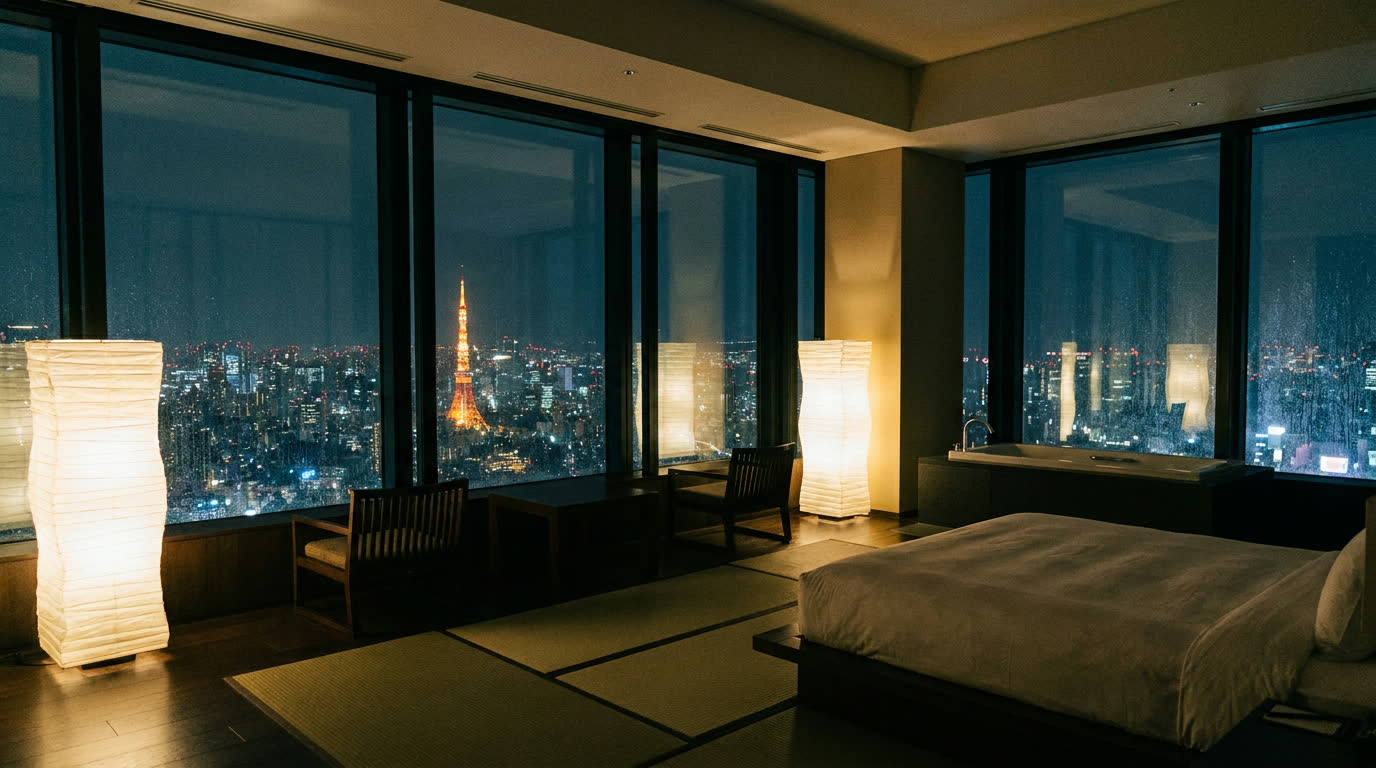
The lobby alone — a thirty-metre washi-paper lantern of a space on the 33rd floor — resets your idea of hotel grandeur. Rooms are ryokan-inflected with furo soaking tubs facing the skyline; the black-granite pool looks at Fuji on clear mornings. Ask for a west-facing Deluxe room in winter and take breakfast at the window. It books itself thereafter.
Hoshinoya Tokyo Map
A seventeen-storey ryokan in Otemachi: shoes off at the door, tatami floors throughout, an ochanoma lounge per floor with sake at ten, and — the coup — a rooftop open-air onsen fed by real hot spring water drawn 1,500 metres beneath the financial district, open to the sky. Tokyo above, silence within. The single most "only in Japan" hotel we book anywhere.
Janu Tokyo Map
Aman's younger sibling in Azabudai Hills — same bones, more pulse: eight restaurants, a 4,000-square-metre spa with a proper 25-metre pool, terraces facing Tokyo Tower. The choice for guests who found Aman beautiful but hushed. The neighbourhood stacks teamLab Borderless and the Azabudai food halls underneath you.
Every address in this guide can be reserved, sequenced and chauffeured for you — free, by your dedicated Dubai-based specialist.
Plan this journey with your free conciergeWhich iconic spots deserve your time?
Senso-ji, Meiji Shrine, the Shibuya crossing and one high observatory — plus teamLab for anyone under ninety. Each transforms at the right hour.
Senso-ji Map
Tokyo's oldest temple, founded 628, approached through the great red Kaminarimon lantern and the Nakamise shopping arcade. At 7am the arcade shutters are down — painted with Edo scenes most visitors never see — incense drifts, and the pagoda catches first light with only joggers and monks for company. By 10am it is a festival crush. The choice is entirely yours to make.
Meiji Shrine Map
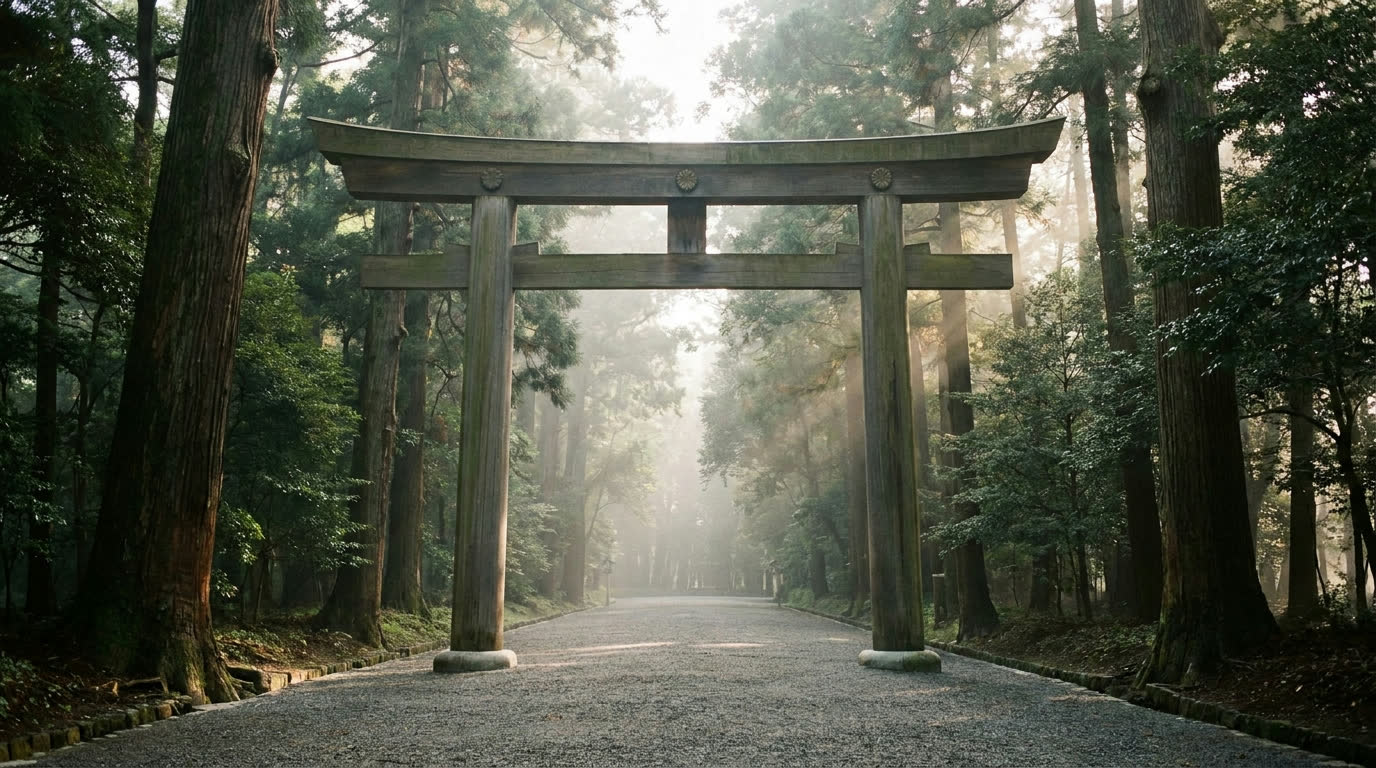
A 100,000-tree forest planted by hand a century ago, hiding the shrine to Emperor Meiji ten minutes from Harajuku's chaos. Enter at the great torii just after the 6-ish dawn opening: gravel underfoot, crows overhead, occasionally a Shinto wedding procession crossing the courtyard in full formal silk. The sake and Burgundy barrel walls en route tell Japan's modernisation story in one image.
Shibuya, from above and inside Map
Cross the scramble once at street level at dusk — up to 3,000 people per green light, choreography without a choreographer — then watch it from Shibuya Sky's open-air deck 229 metres up as the neon takes over. Time the deck ticket for 30 minutes before sunset and stay for the transition; that slot sells out days ahead and we pre-book it as routine.
What should you eat in Tokyo?
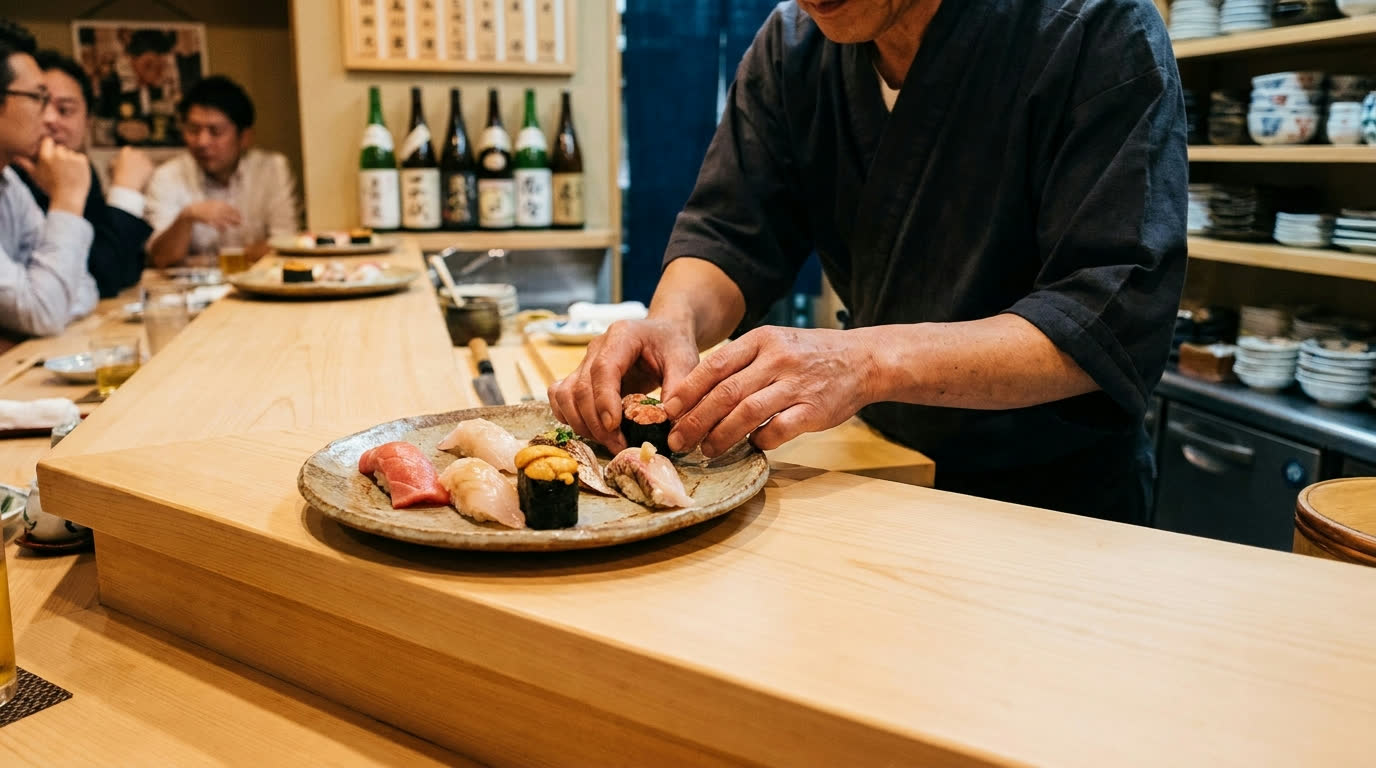
Tokyo holds more Michelin stars than any city on Earth and — more tellingly — a hundred thousand restaurants where a solo ramen counter takes its broth as seriously as a three-star kitchen takes its sauce. Structure: one grand tasting, one great sushi counter, and the rest street-level, where the city's soul is.
The summit tables: Sézanne at the Four Seasons Marunouchi holds three stars for Daniel Calvert's precise Franco-Japanese cooking and currently ranks among Asia's very best rooms Map. Narisawa pioneered "innovative satoyama" cuisine and remains a bucket-list booking; Den turns omotenashi playful (the Dentucky Fried Chicken arrives in a branded box and conceals a stuffed wing of absurd finesse) Map. High sushi is referral country: counters like Sushi Saito book through patrons and top-hotel concierges only — the single strongest argument for staying at the addresses above and briefing us early. Give us the dates before the flights; we build trips around confirmed seats.
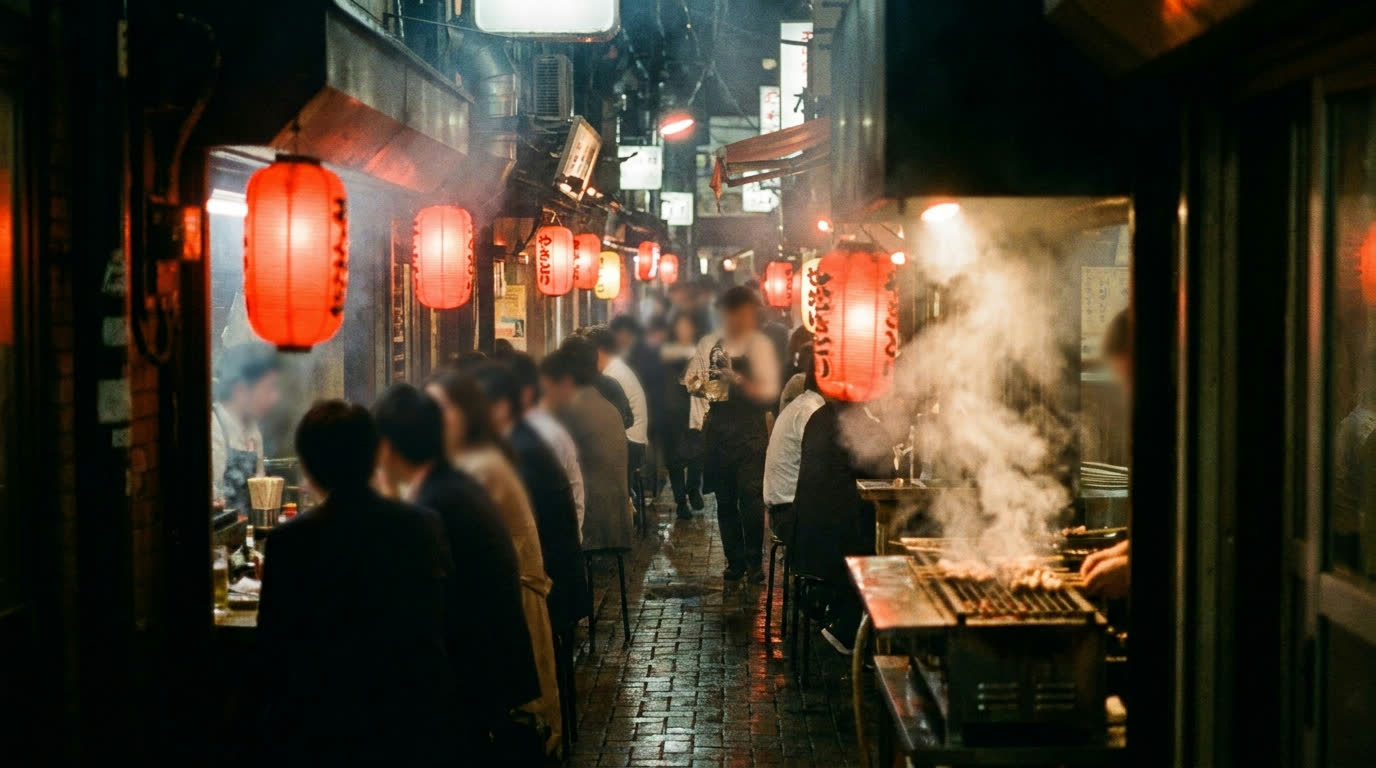
Then descend happily. Tsukemen at a ticket-machine counter. Yakitori under the Yurakucho railway arches, smoke curling through the girders Map. Depachika basement food halls (Isetan Shinjuku's is the benchmark) for a picnic beyond most delis' dreams. Golden Gai's matchbox bars for the nightcap. Our standing advice: never book three tasting menus in a row — Tokyo's genius is the ¥1,200 lunch that outclasses your ¥60,000 dinner, and you need room for it.
Where is the luxury insider layer in Tokyo?
Tokyo's insider layer is the deepest of any city we serve: referral restaurants, appointment ateliers, bars with eight seats and world rankings, department stores that treat shopping as a formal art. Access is relationship-based, which is the entire value of a connected concierge.
The bars
Japanese bartending is a craft lineage, and Ginza is its temple district: Bar High Five's Hidetsugu Ueno remains the global reference for the perfect highball and hand-carved ice Map; Gen Yamamoto pairs seasonal fruit cocktails in a six-course omakase at an eight-seat oak counter; The SG Club in Shibuya brings the style to a livelier room — and its Savor floor is cigar-friendly, a rarity worth knowing. Hotel bars carry the high ground: the Park Hyatt's New York Bar still owns the skyline-jazz genre, and the top hotels keep humidors and smoking lounges for guests in a city that has otherwise moved smoking indoors into licensed rooms.
Private shopping
Ginza is the polite apex — flagship maisons with private salons, Ginza Six's galleries, Dover Street Market's seven floors of curation Map — but the insider move is the depaato personal-shopping suite: Isetan Shinjuku's by-appointment service assembles Japanese designers, denim and craft to your brief with a fitting room the size of an apartment. Beyond retail: bespoke knives at Kama-Asa in Kappabashi (engraved while you wait), indigo textiles, and whisky — rare Yamazaki and Hakushu allocations move through auctions and trusted dealers, another relationship game we play on clients' behalf.
Access and logistics
The concierge tier of experiences: private early-entry museum visits, sumo-stable mornings, a chartered helicopter over the bay at night, kimono-fitted tea ceremonies in a private machiya, and Ghibli/teamLab ticket ballots handled invisibly. Practicalities that matter: Haneda over Narita always; a pre-loaded Suica card in your phone wallet; hotel cars at night but trains by day (they are faster, cleaner and part of the show); and connectivity everywhere — 5G blankets the city and every hotel above is video-call grade. Tokyo runs perfectly. Your job is only to arrive curious.
Every address in this guide can be reserved, sequenced and chauffeured for you — free, by your dedicated Dubai-based specialist.
Plan this journey with your free conciergeEvery address above can be arranged, reserved and chauffeured for you — free, by your dedicated Dubai-based specialist.
Plan my Tokyo journey