Where the World's Wealthiest Actually Go in Hong Kong
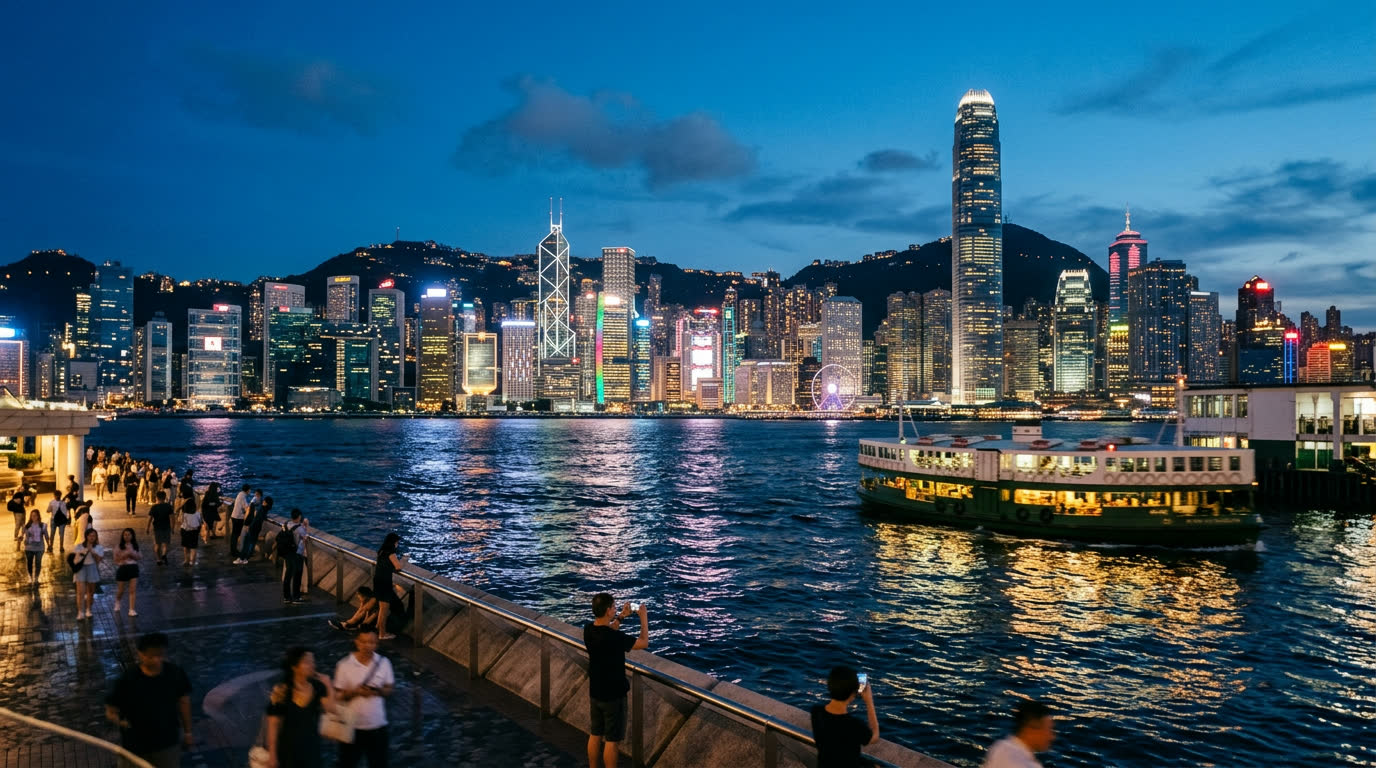
Hong Kong compresses more capability per square kilometre than any city alive: eighty-odd Michelin stars, the world's best-ranked hotel, a country park system covering 40% of the territory, and a harbour that still runs on a ferry costing less than a dirham. The clichés say shopping and skyline. The truth is water and mountains, with the skyline as garnish. Our Hong Kong concierge page has the short brief; below is the full file.
One orientation note saves days: Kowloon looks at the skyline, Hong Kong Island is in it. Pick your side deliberately.
What is Hong Kong really like? The big adventures What to do day by day Where to stay The iconic spots What to eat The luxury insider layer
What is Hong Kong really like?
Hong Kong is a Cantonese world city — 7.5 million people on a territory that is three-quarters green, where a three-star lunch and a HK$3.20 ferry ride share the same afternoon. It suits travellers who like pace, food taken seriously at every price, and the option of a mountain trail before breakfast. Nobody comes for beaches alone; everyone leaves surprised there were beaches at all.
The city runs on efficiency that borders on the comic. The Airport Express does downtown in 24 minutes. An Octopus card pays for trains, trams, ferries and convenience-store coffee. Restaurants turn tables briskly and nobody apologises. What survives underneath is old Cantonese texture: bamboo scaffolding on billion-dollar towers, temple incense coils, the clatter of mahjong from upstairs windows in Sheung Wan.
Seasons matter. October to December is the city at its best — dry, 22–26°C, hiking weather. Summer is a sauna punctuated by typhoon signals (a T8 closes the city; your hotel bar becomes the entertainment). Chinese New Year is atmospheric but half of everything closes for three days.
Every address in this guide can be reserved, sequenced and chauffeured for you — free, by your dedicated Dubai-based specialist.
Plan this journey with your free conciergeWhat are the big adventures in Hong Kong?
Three, none of them in a mall: the hiking network, the water, and the helicopter. Hong Kong's adventure credentials embarrass most resort destinations — 260 islands, four long-distance trails and a coastline of hidden coves twenty minutes from Central.
Dragon's Back and the trails
The Dragon's Back ridge Map is the classic: ninety minutes of undulating ridgeline over Shek O's beaches, finishing at Big Wave Bay where a surf shack sells cold Blue Girl beer to the sweaty. Start by 8am in any month warmer than November. The serious walk is Lantau Peak for sunrise — up in the dark, first light over the South China Sea, down to breakfast before the cable car queues form.
The water
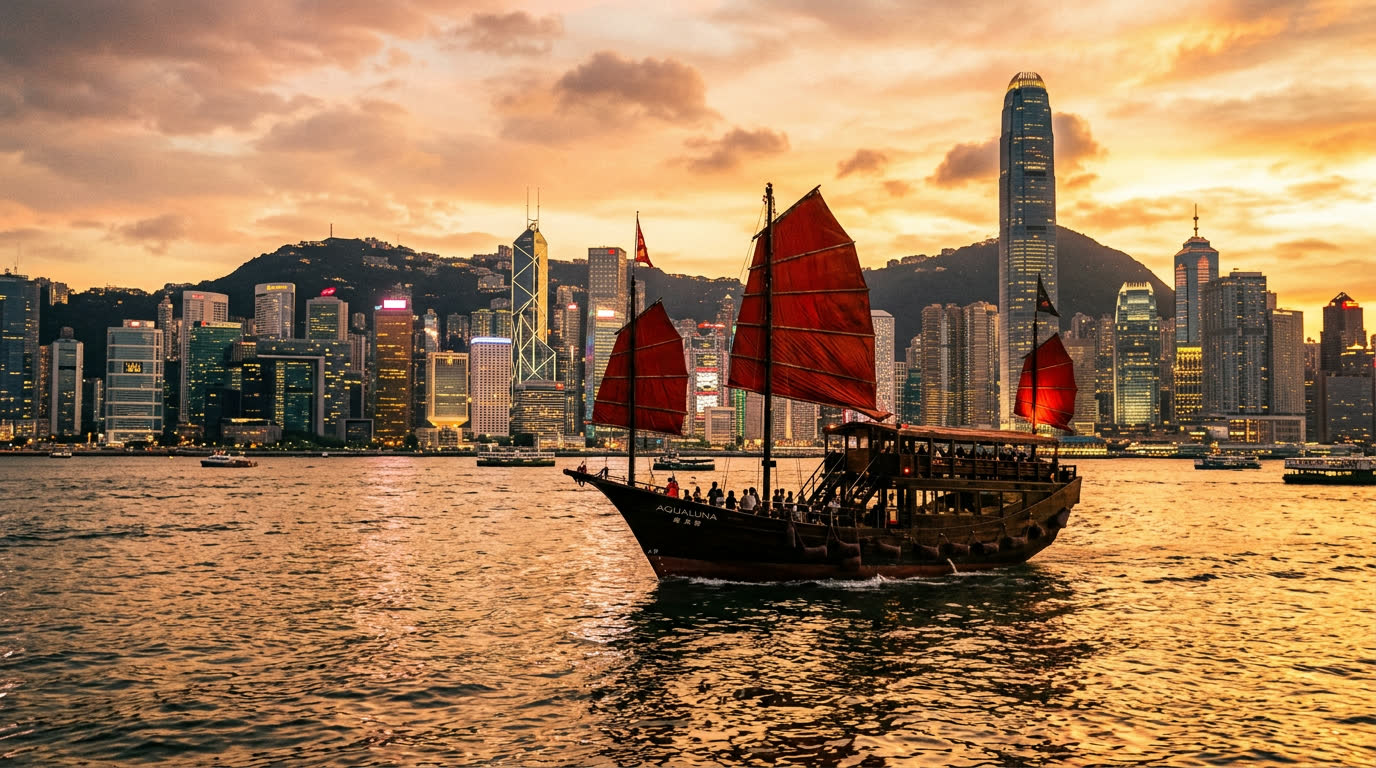
A private junk charter is the definitive Hong Kong day: skippered boat out of Aberdeen or Causeway Bay to the Sai Kung peninsula Map, anchoring off Millionaire's Beach with lunch, paddleboards and a wakeboard if the group skews young. Sai Kung's UNESCO geopark sea stacks look like Halong with better sashimi. For the postcard version, Aqua Luna's red-sailed junk Map does evening harbour crossings timed to the 8pm light show.
By air
The Peninsula's rooftop helipad runs charter flights over the harbour and out to the geopark — fifteen minutes rearranges your entire mental map of the territory. It is also the correct arrival: airport to hotel roof, seven minutes, checked in before your luggage clears the bridge.
What should you do day by day in Hong Kong?
Four to five nights covers the city plus one island day and one boat day. Alternate vertical days (Peak, galleries, retail) with horizontal ones (trails, junks, ferries) and book dinners before you fly; the good rooms fill a fortnight out.
Day one: Star Ferry across at 10am (upper deck, harbour side), M+ museum in the West Kowloon Cultural District Map — Asia's best contemporary collection in a Herzog & de Meuron slab — then the Peak at 4:30pm to catch day, dusk and the lights in one visit.
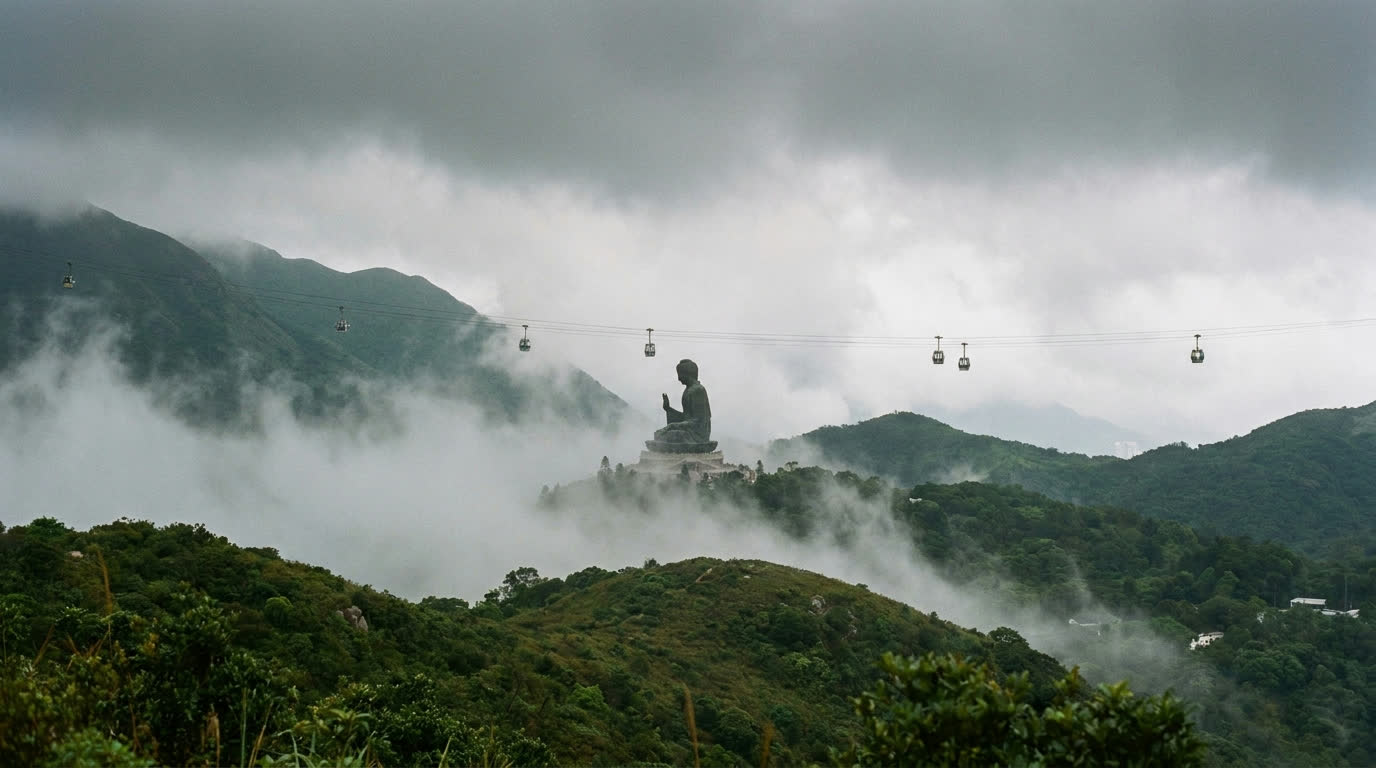
Day two: Lantau. Ngong Ping 360 crystal-floor cable car to the Big Buddha and Po Lin Monastery Map, vegetarian lunch at the monastery kitchen, then Tai O stilt village for the last unrenovated corner of old Hong Kong.
Day three: junk day (above). Day four: Sham Shui po fabric streets and street food for the curious, or Happy Valley races if it's a Wednesday night in season (September–June) — HK$10 entry, beer in plastic, billionaires and clerks shoulder to shoulder; we book the private boxes for groups Map.
With children: the Peak Tram, the geopark boat, Ocean Park's pandas and the double-decker trams — front seat, top deck, King's Road at dusk — cost almost nothing and outperform the theme parks.
Where should you stay in Hong Kong?
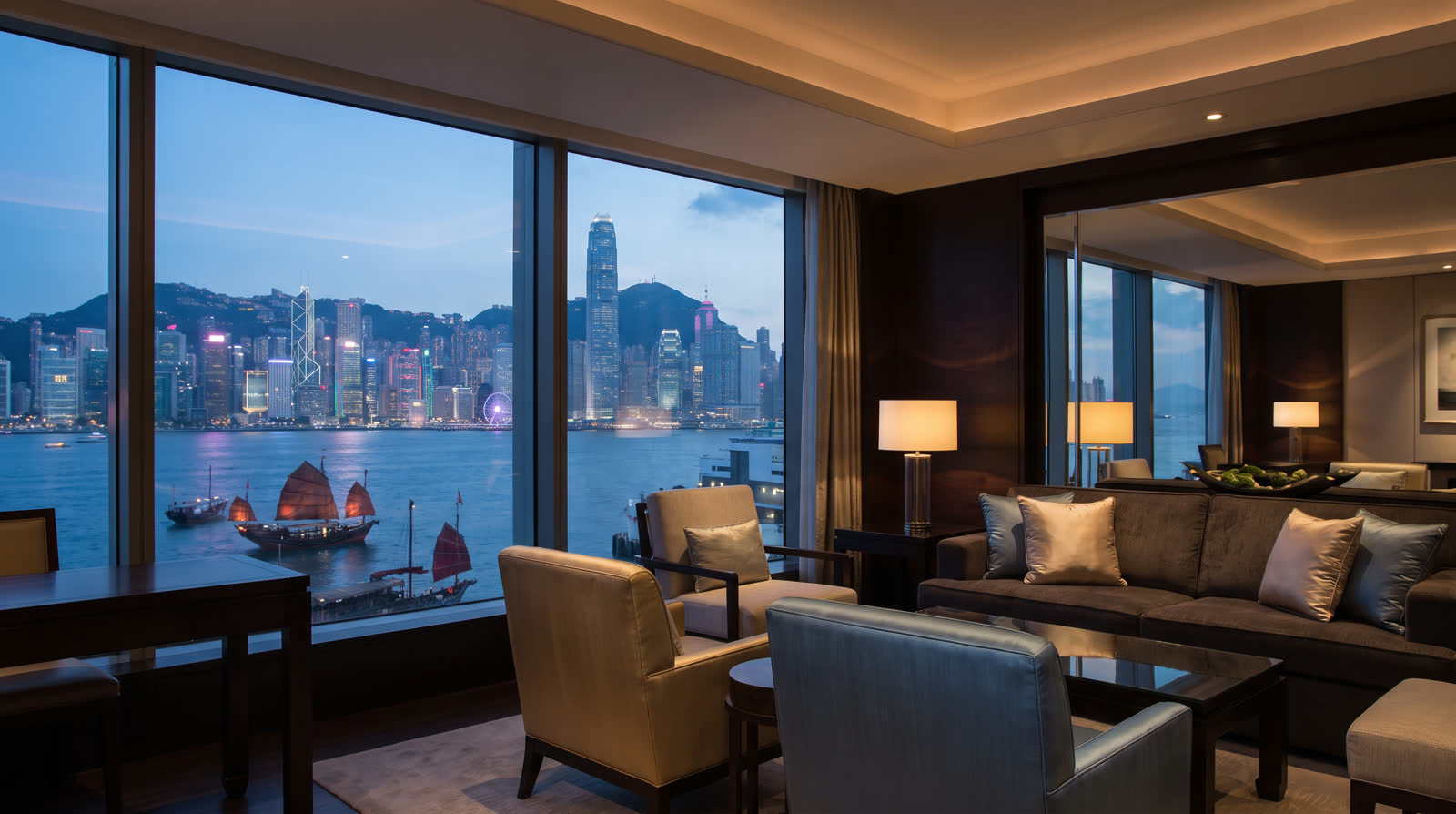
The harbour view is the product; everything else is finish. Kowloon-side hotels (Rosewood, Peninsula) look at the island skyline — the view that made the postcards. Island-side (Upper House, Mandarin, Four Seasons) puts you inside the working city, walkable to Central's restaurants.
| Property | Tier | Indicative from | Best for |
|---|---|---|---|
| Rosewood Hong Kong | Ultra | HK$6,500/night | World's 50 Best #1 2025; harbour panorama, Asaya spa |
| The Peninsula | Ultra | HK$5,500/night | The 1928 grande dame; Rolls fleet, helipad |
| The Upper House | Ultra | HK$5,000/night | André Fu quiet luxury above Admiralty |
| Mandarin Oriental | Luxury | HK$4,500/night | Old-money Central; the Captain's Bar |
| Four Seasons Hong Kong | Luxury | HK$4,800/night | Two three-star restaurants in the lift lobby |
Rosewood Hong Kong Map
Number one on The World's 50 Best Hotels 2025 and running like it knows. Harbour-corner rooms frame the full skyline; the Manor Club is the best hotel lounge in Asia; Asaya spreads a spa across 40,000 square feet; and K11 Musea's galleries and boutiques sit downstairs. Ask for a corner room ending in 01 — the wraparound glass doubles the harbour.
The Peninsula Map
The 1928 original, still fielding a fleet of Brewster-green Rolls-Royces and a string quartet in the lobby at tea. Gaddi's for old French grandeur, Spring Moon for starred Cantonese, Felix on the roof for the view with your martini. Take the lobby afternoon tea once; queue-dodge by being a guest.
The Upper House Map
André Fu's serene tower above Pacific Place: 117 rooms that start at 68 square metres — vast by Hong Kong maths — with rain showers facing the skyline and no check-in desk at all. Salisterra on the 49th floor does Mediterranean with the whole harbour as wallpaper. The choice for travellers who find grand hotels loud.
Every address in this guide can be reserved, sequenced and chauffeured for you — free, by your dedicated Dubai-based specialist.
Plan this journey with your free conciergeWhich iconic spots deserve your time?
The Peak, the Star Ferry, the Big Buddha and the temple district — plus M+ for anyone with an eye. Each has a timing play that beats the default experience by a mile.
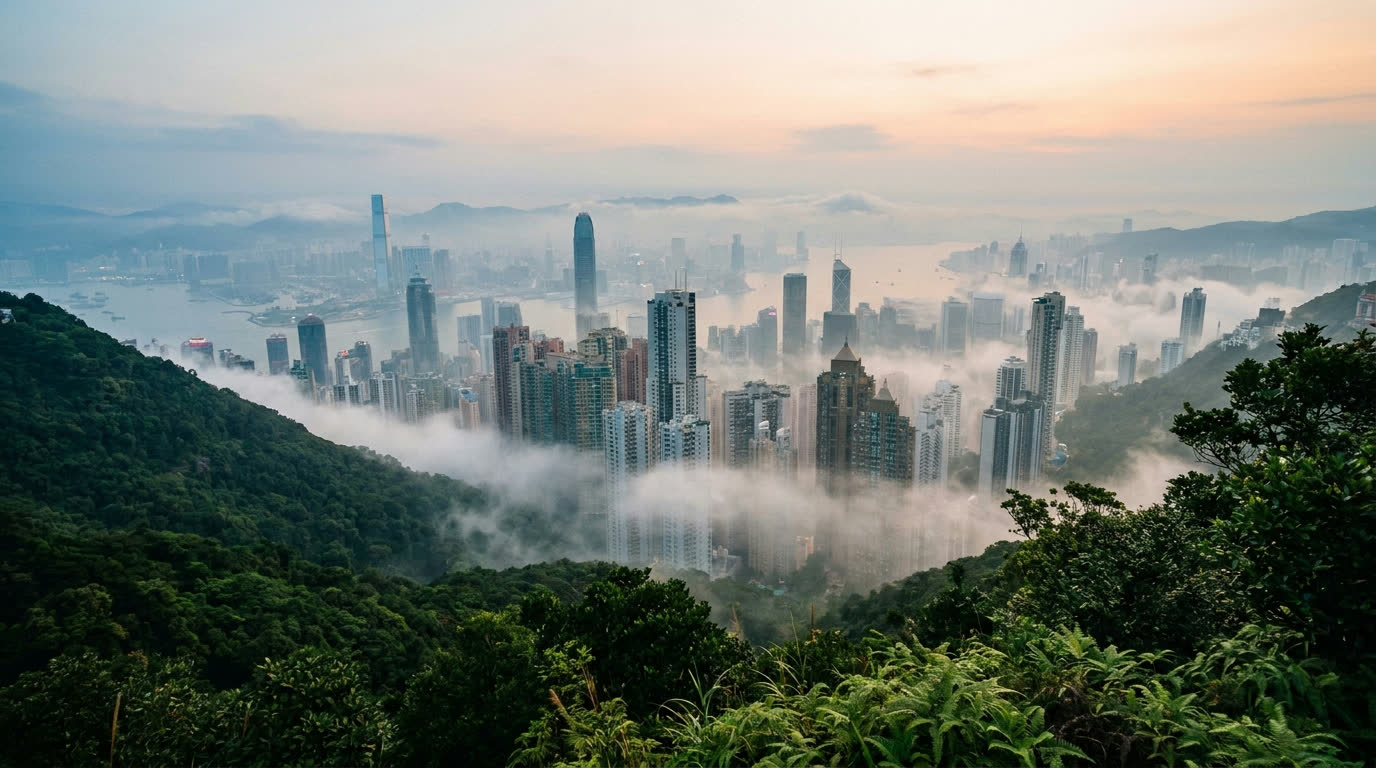
Victoria Peak Map
Go up at 4:30pm on a clear day: daylight city, sunset, then the full light-up, one ticket. The Peak Tram's right-hand side (ascending) gets the harbour glimpses at its famous 27-degree tilt. Skip the paid Sky Terrace if you know the free trick — the Lugard Road circular walk, flat and tree-lined, opens the same panorama within ten minutes and adds the west harbour. An hour, no crowds, best free view in Asia.
The Star Ferry Map
Crossing since 1888 and still about HK$5. Ride it at 7:50pm from Tsim Sha Tsui, upper deck, and the Symphony of Lights show happens around you mid-harbour. National Geographic once ranked this among the great ferry rides on Earth; the pricing has not noticed.
Man Mo Temple and around Map
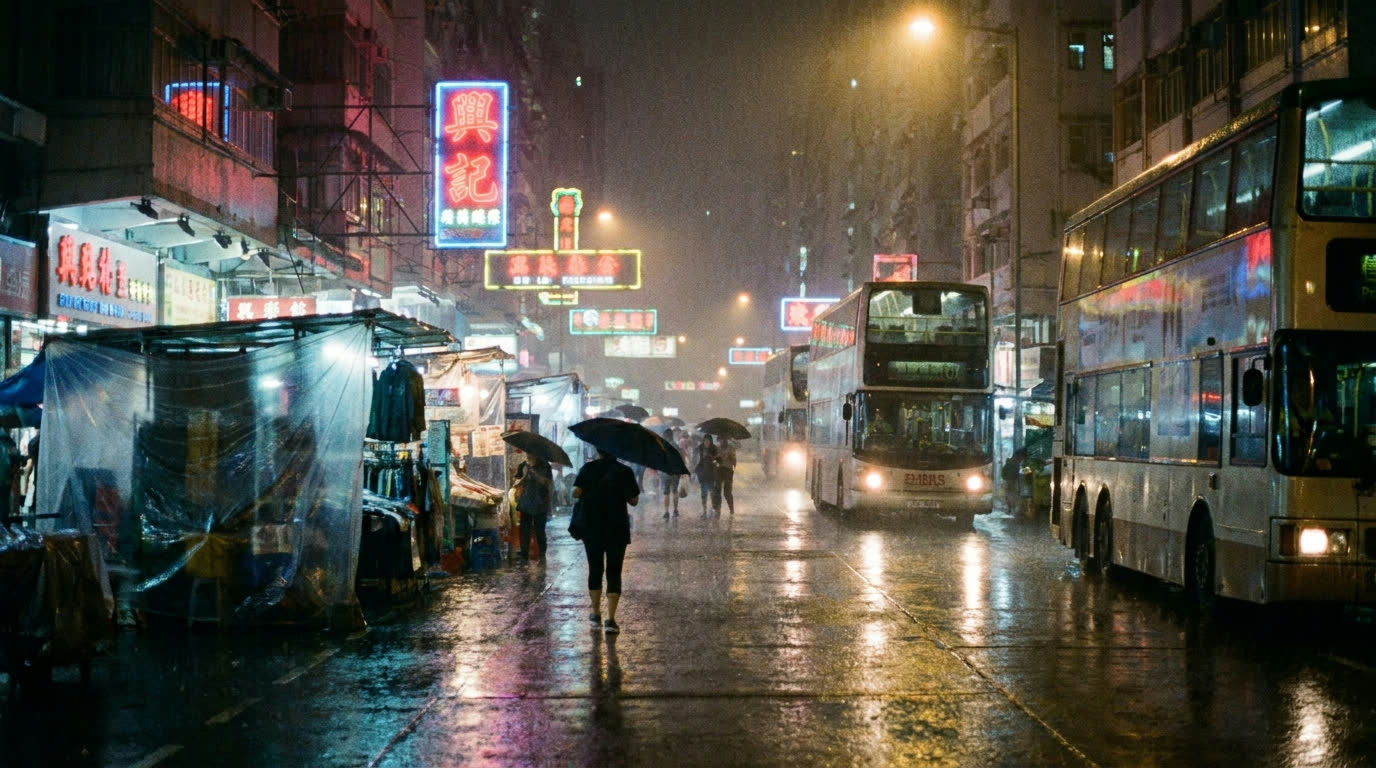
Incense coils the size of beach umbrellas smoulder overhead in this 1847 temple to literature and war. Come before 10am for the shafts of smoky light, then walk Hollywood Road's antique dealers and Cat Street's junk stalls — the last remnants of the old China trade, ten minutes from the world's densest bank district.
What should you eat in Hong Kong?
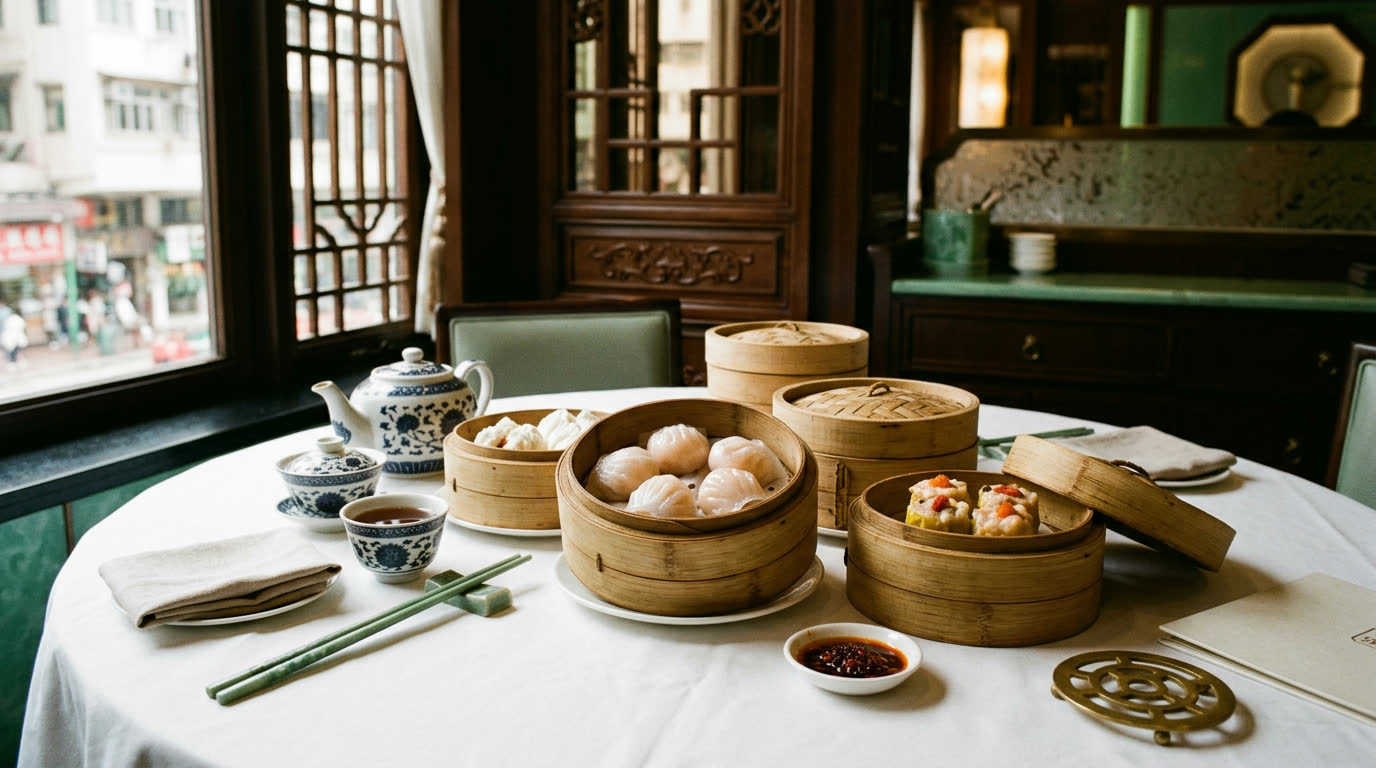
Hong Kong is the best eating city on Earth for range: roughly eighty Michelin-starred rooms and ten thousand places that have never heard of the guide, all competitive, because Cantonese diners are the hardest audience alive. Plan one blow-out, one starred dim sum, and leave the rest to appetite.
The blow-outs: Caprice at the Four Seasons and 8½ Otto e Mezzo Bombana in Central both hold three stars — French haute and Italian respectively, and Bombana's white-truffle season (October–December) is worth routing a trip around. Lung King Heen, the first Chinese restaurant ever to win three stars, still serves its baked abalone puff Map. The Chairman in Central — repeatedly named Asia's best restaurant — does its flowering-chives camphor chicken and steamed flowery crab in aged Shaoxing to a booking list that opens monthly and dies in minutes; we hold relationships that help Map.
The other half of the story costs nothing. Tim Ho Wan's baked char siu buns remain the cheapest Michelin-starred plate anywhere. A roast-goose lunch at Yat Lok in Central (starred, brusque, glorious — order leg quarter on rice, pay cash) Map. Egg tarts from Bakehouse still warm, milk tea at a cha chaan teng with the morning papers. Our honest advice: skip one grand tasting menu and spend the evening eating skewers and clay-pot rice in Temple Street's night market instead. The city's soul lives at both ends; the middle is where tourists get parked.
Where is the luxury insider layer in Hong Kong?
Hong Kong's insider layer is the deepest in Asia: private shopping suites above the Landmark, cigar divans that survived the handover, rooftop bars with dress codes and a beach-club culture that floats. This is the working map.
Bars and clubs
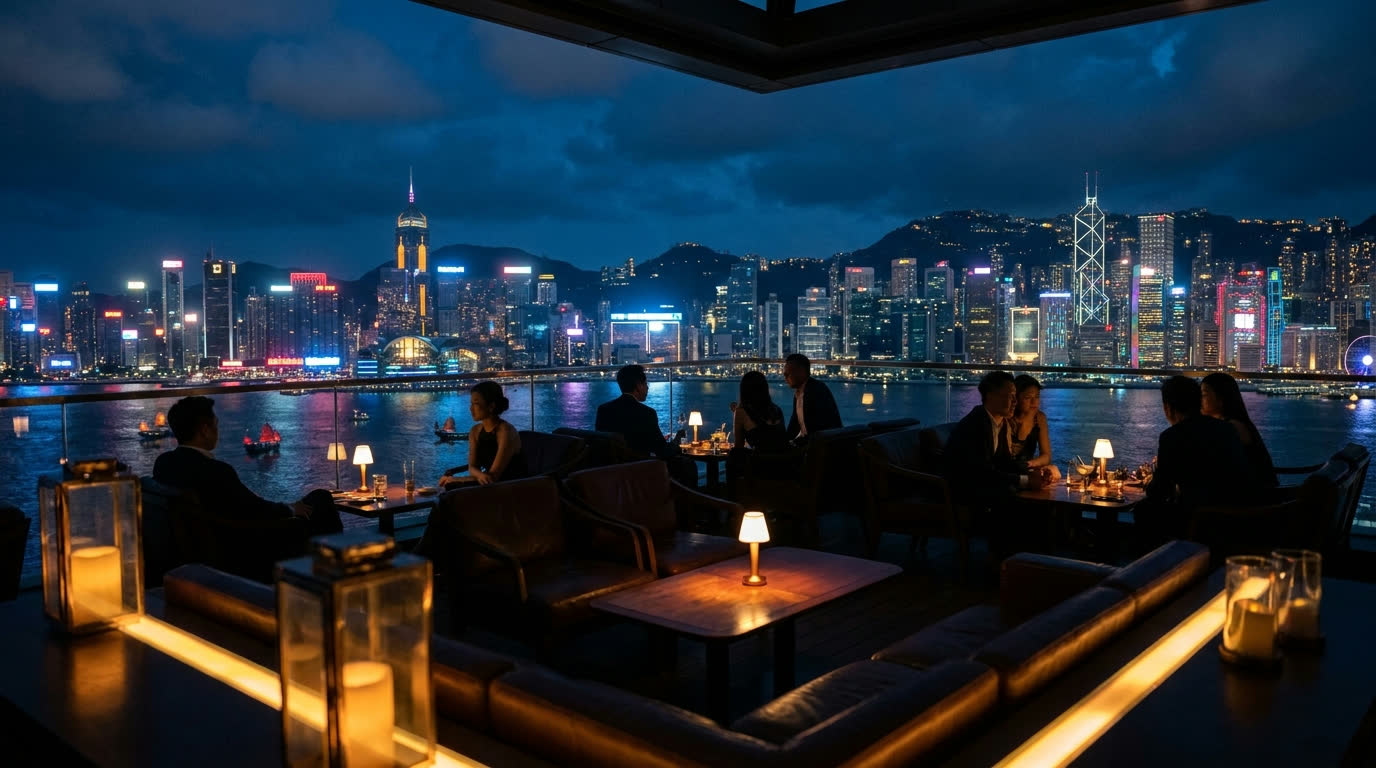
Argo at the Four Seasons and DarkSide at the Rosewood are the two rooms that matter — DarkSide pairs live jazz with a serious rum and whisky library and a terrace where cigars are welcome Map. COA in Central, three-time winner of Asia's 50 Best Bars for its agave list, takes no reservations; go before 7pm. The Captain's Bar at the Mandarin pours beer in silver tankards to the last of the old taipan crowd, and Felix's washroom view remains the best-kept joke in Kowloon.
Cigar culture
Hong Kong kept its Cuban pipeline through every geopolitical weather system. The Red Chamber Cigar Divan in Central is the connoisseurs' room — members-led but hotel concierges can arrange guest visits — and Cohiba Atmosphere operates the brand's flagship lounge experience in the city. Between those and the Rosewood's terrace, a smoker wants for nothing; humidity control here is a civic virtue.
Private shopping
The Landmark Map is the apex mall — Hermès, Chanel and the by-appointment salons above them, with VIP suites where collections come to you. K11 Musea runs "art retail" with private-client lounges on the Kowloon side. For tailoring, this remains the fastest serious suit city on Earth: fittings at a Tsim Sha Tsui master tailor on day one deliver by day four. And the jade market plus Hollywood Road dealers reward a vetted guide — we arrange gemmologist-accompanied buying for clients acquiring jade seriously.
Junk, beach and connectivity
Repulse Bay's beachfront and the Southside's clubs give the resort day; a chartered junk beats them all. Working travellers get 5G everywhere including inside the harbour tunnels, and every hotel above runs video-grade Wi-Fi with proper desks — the Upper House's study corners are the best in the city. Seclusion means a Sai Kung villa weekend or simply riding a ferry to Lamma for seafood with no schedule. Both arrangeable; both recommended.
Every address in this guide can be reserved, sequenced and chauffeured for you — free, by your dedicated Dubai-based specialist.
Plan this journey with your free conciergeEvery address above can be arranged, reserved and chauffeured for you — free, by your dedicated Dubai-based specialist.
Plan my Hong Kong journey